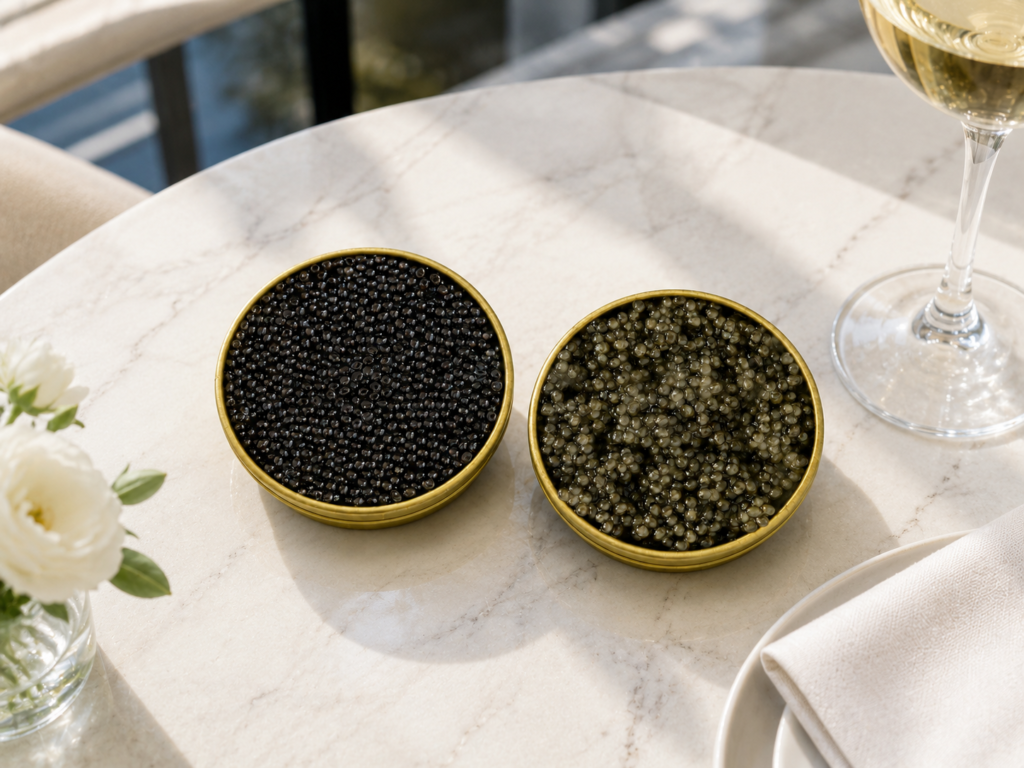
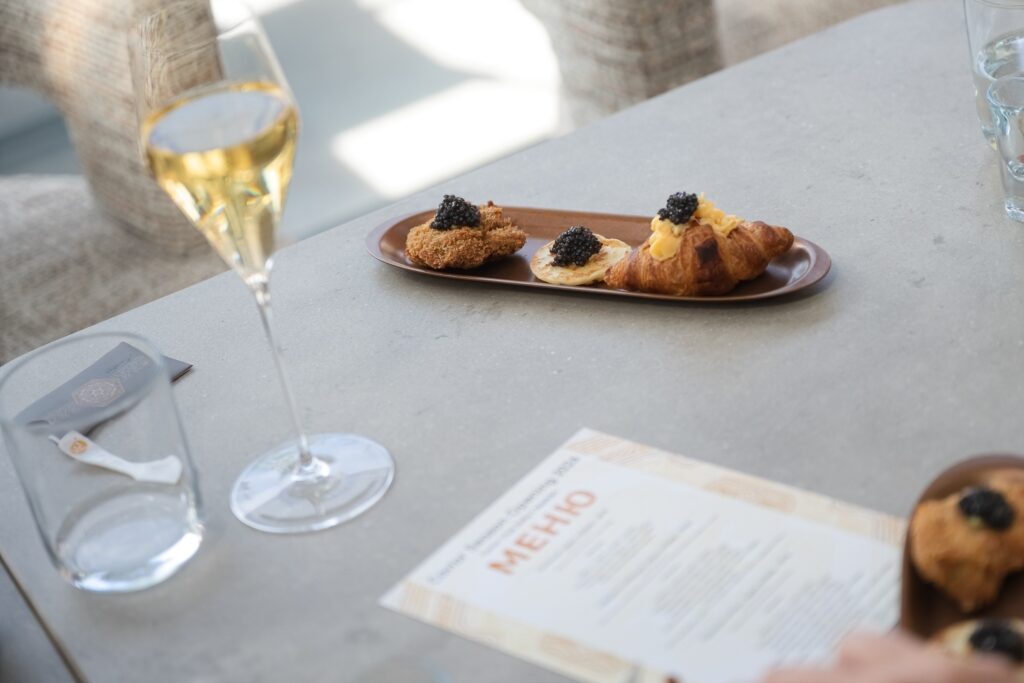
The short answer is: to black caviar is suitable dry champagne with little or no added sugar (Brut Nature, Extra Brut or Brut with low dosage), served at 6 to 8 °C in a tulip-shaped glass. When pairing caviar with champagne, ‘blanc de blancs’ goes well with delicate varieties, whilst ‘blanc de noirs’ complements richer dishes such as blinis with oil, whilst the sweet demisec and du wines mask the bubbles.
Caviar and champagne are quite similar: they’re served chilled and don’t like to be left waiting on the table. They go together so often that the pairing seems obvious. Except that on the champagne label there are a few small words that make all the difference.
In our article on this subject Which wine goes well with black caviar? Champagne was given a brief section. Here, it takes centre stage.
Why do champagne and black caviar go so well together?
Champagne and black caviar go well together because the wine’s acidity and bubbles cleanse the palate of the caviar’s richness, making every subsequent mouthful taste as fresh as the first. The pearls contain natural oils that coat the tongue, and unless something washes them away, the flavour starts to fade after just the third bite.
The champagne analysed by Gérard Liger-Belair’s team contains 11.4 g of dissolved carbon dioxide per litre, which is approximately 8.5 g in a 750 ml bottle. The bubbles that burst on the surface also carry the aroma to the nose.
Which champagne goes best with black caviar?
Black caviar is best paired with a non-vintage brut nature, extra brut or brut champagne with low dosage, in a light and mineral style. It is dry, crisp and understated enough to let the caviar take centre stage.
You don’t need a fancy cuvée: the caviar is the star, and the champagne simply prepares the palate for the next bite. When choosing a bottle, ask yourself three questions: how much sugar, what grape variety, and how many years of ageing. The following sections answer each of these questions.
What do ‘brut’, ‘extra brut’ and ‘brut nature’ mean on the label?
These terms indicate how much sugar champagne contains: ‘brut nature’ contains less than 3 g per litre and no sugar is added; ‘extra brut’ contains up to 6 g; and ‘brut’ contains less than 12 g per litre. The sweetness comes from the dosage: cane sugar dissolved in wine, which is added shortly before the bottle is finally sealed. For brut, around 10 ml of this mixture is added to a 750 ml bottle. On Bulgarian labels, you will often see the word „brut“ written.
The full scale, in accordance with EU rules, is as follows:
- Brut nature: less than 3 g/l, with no added sugar.
- Extra gross: from 0 to 6 g/l.
- Brut: less than 12 g/l.
- Extra dry: from 12 to 17 g/l.
- Section: from 17 to 32 g/l.
- Demisek: from 32 to 50 g/l.
- Du: over 50 g/l.
The three driest categories overlap. Champagne containing 5 g of sugar per litre may legally be labelled either as „extra brut“ or „brut“, and the actual sugar content may differ from the labelled amount by up to 3 g/l. The dosage in grams, if specified, provides more information. And here’s a trap: ‘extra dry’ sounds drier than ‘brut’, but is actually sweeter. This designation often appears on Prosecco labels.
Why is the amount so important when it comes to salted caviar?
The balance is important because the salt in the food rounds out the wine: when paired with lightly salted caviar, the champagne tastes rounder and fruitier than when drunk on its own. The British wine education organisation WSET describes the effect of salt in exactly these terms: the wine becomes softer, fruitier and smoother.
That is why ‘brut nature’ and ‘extra brut’, which may seem austere on their own, soften when paired with caviar. Champagne, which is already soft and slightly sweet, becomes too heavy when paired with caviar: the aftertaste lingers and the delicate flavour of the caviar is lost beneath the sweetness. Demi-sec and brut are best served with dessert.
Blanc de blancs or blanc de noirs: which should we choose to go with the caviar?
For delicate types of caviar, choose a blanc de blancs, made exclusively from white grapes, most commonly Chardonnay: it is lighter and more mineral. Blanc de noirs, made from the black grape varieties Pinot Noir and Pinot Meunier, has more body and pairs well with richer dishes.
Blanc de blancs offers citrus freshness and that hint of chalk and stone which wine tasters refer to as minerality. Paired with soft, buttery caviar, it acts like a drop of lemon, without the lemon ever touching the pearls.
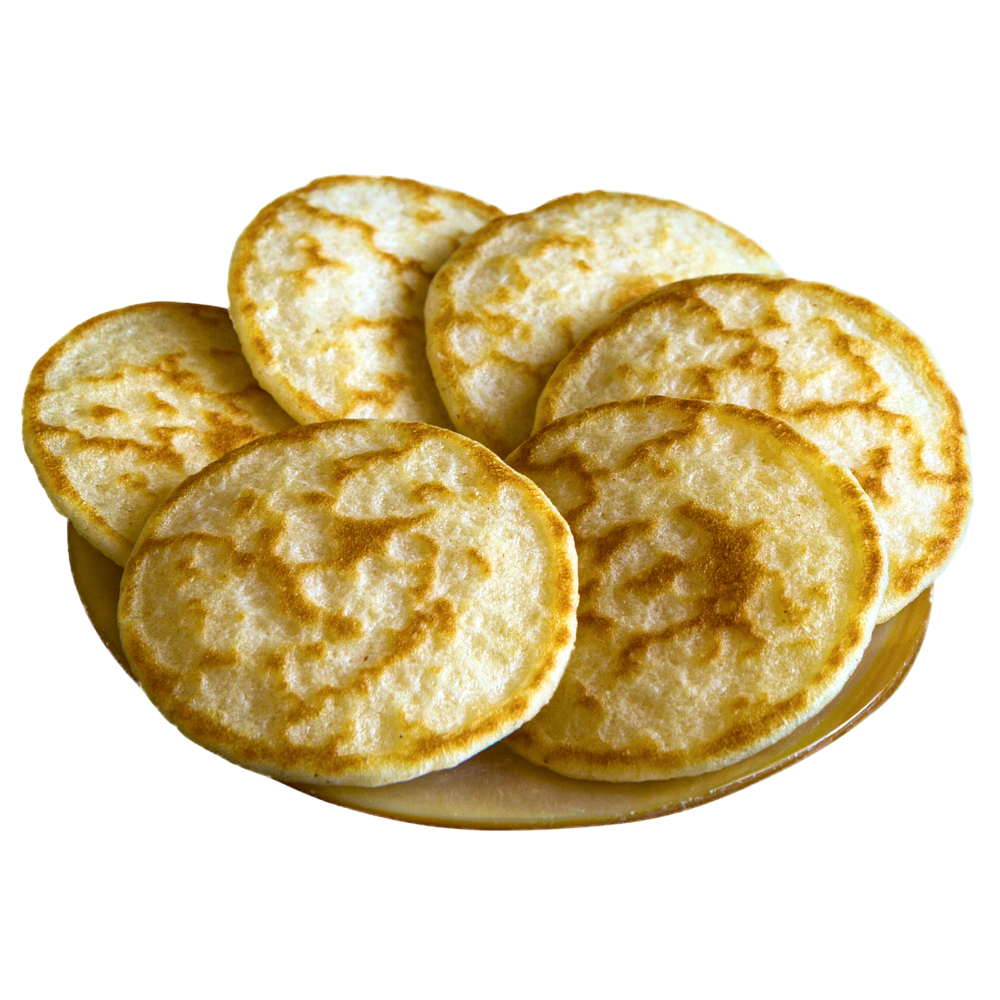
Blanc de noirs is fuller-bodied and more robust. The juice from black grapes is colourless, which is why the wine remains white, yet it has good structure and a fruitier aroma. The champagne in our selection falls precisely into this category, De Venoge Princes Blanc des Noirs. According to the manufacturer’s technical specifications, it is 100% Pinot Noir, with a dosage of 6 g per litre, which places it on the borderline between extra brut and brut. Full-bodied yet restrained, it pairs well with pancakes, warmed and spread with cow’s butter, topped with a generous spoonful of caviar.
Should we choose a vintage or non-vintage champagne to go with the caviar?
When pairing with caviar, the safer choice is a non-vintage champagne, as it is fresher and more straightforward. A matured vintage champagne is more complex and reveals its character better after the caviar than alongside it.
Non-vintage champagne is a blend of several vintages, to ensure a consistent style, and is aged for at least 15 months. Vintage champagne is made from grapes harvested in a single year, as stated on the label, and is aged for at least three years. Over time, it develops notes of toasted bread, honey and dried fruit.
Like a delicate pearl, these notes do what a strong perfume does at dinner: they fill the whole room. Open the bottle of aged vintage after the caviar, for the next course.
Does rosé champagne go well with black caviar?
Rosé champagne pairs well with black caviar if it is dry (brut or extra brut), light in colour and light-bodied. Dark, full-bodied rosés overpower the caviar.
Rosé champagne is made in two ways: by blending, in which 5 to 20 per cent red wine is added to the white base wine, or by maceration, in which the juice of the red grapes is left to stand on the skins. The longer the contact, the darker and more structured the wine.
Light, dry rosés are a good choice for a festive snack: blinis with butter or a small canapé with caviar. If you’re serving caviar on its own, without pancakes or canapés, stick to white champagne: the fruity aroma of rosé interferes with the delicate flavour of the caviar.
Which champagne should we pair with which type of caviar?
The finer the caviar, the drier and more subtle the champagne should be, and the beluga With its large pearls, it’s best to try it for yourself first.
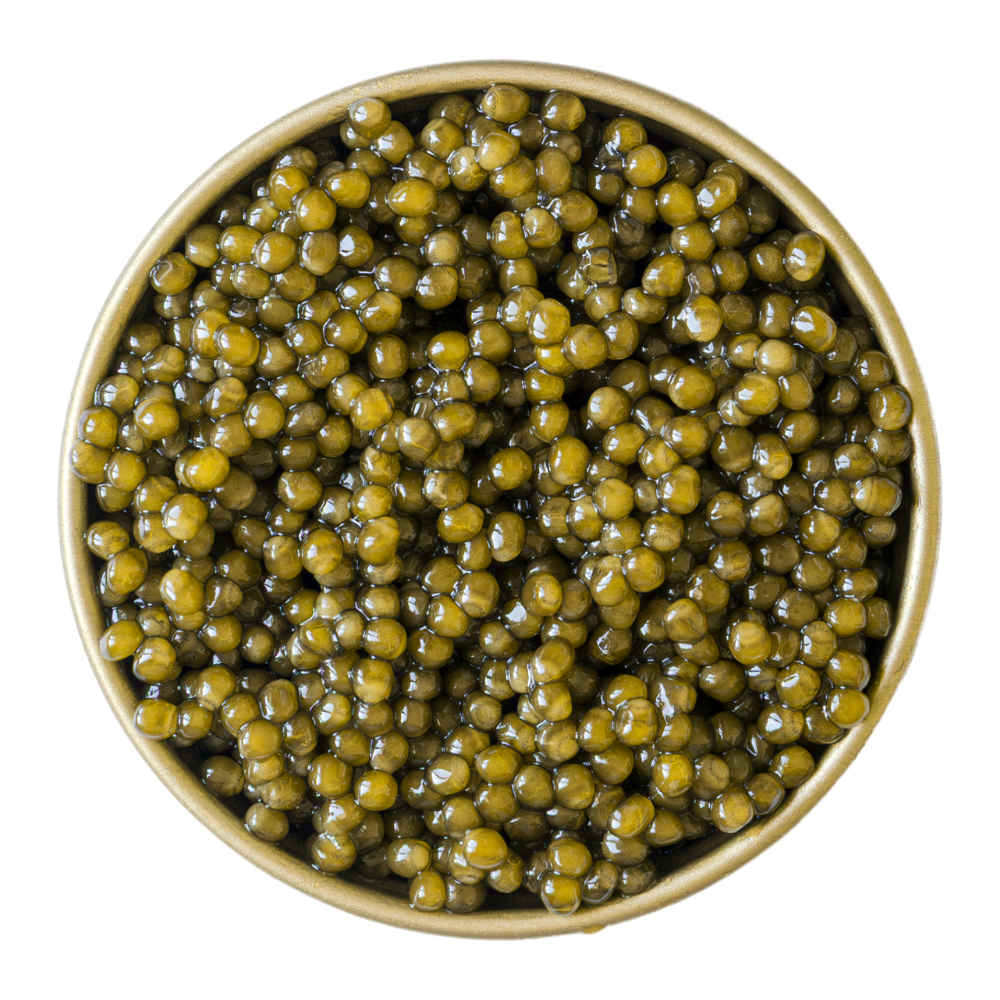
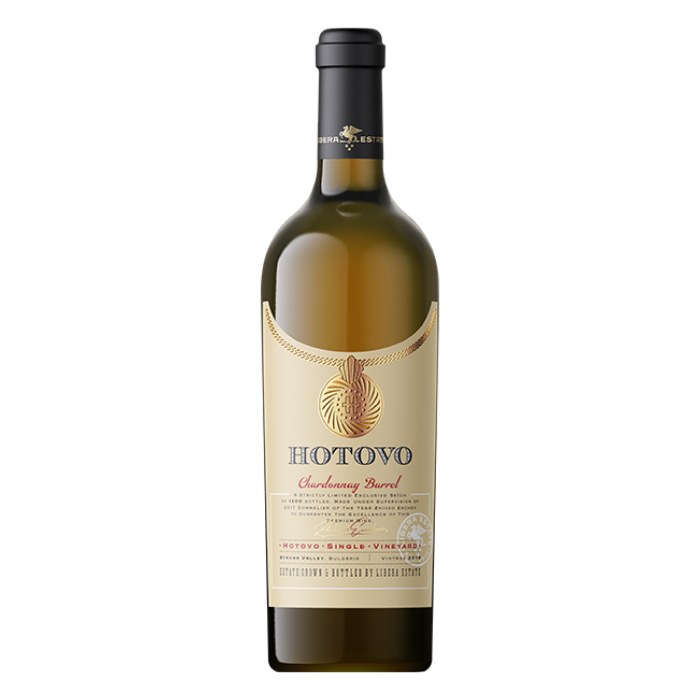
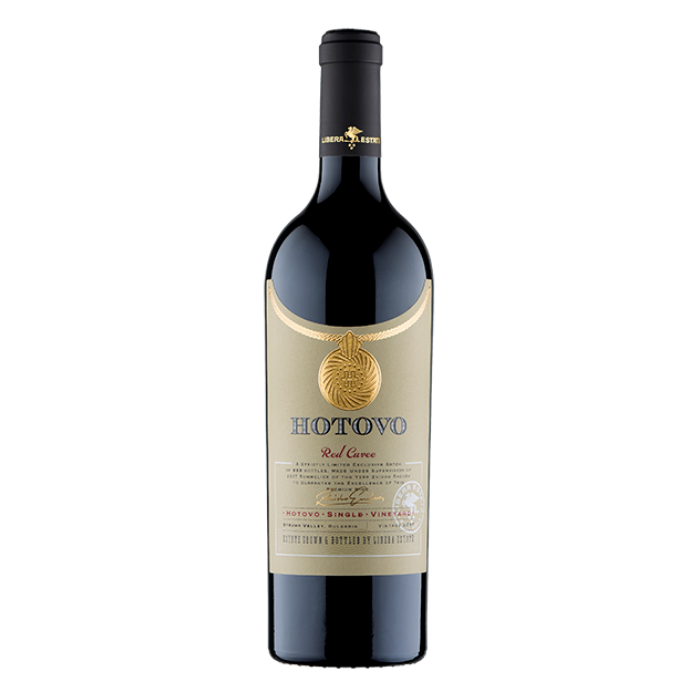
- Baerii Gold Æmillius Caviar: soft and creamy caviar made from Siberian sturgeon, for a first date. Our recommendation for him is Hotovo dry white wine. If the occasion calls for sparkling wine, choose a blanc de blancs brut or extra brut.
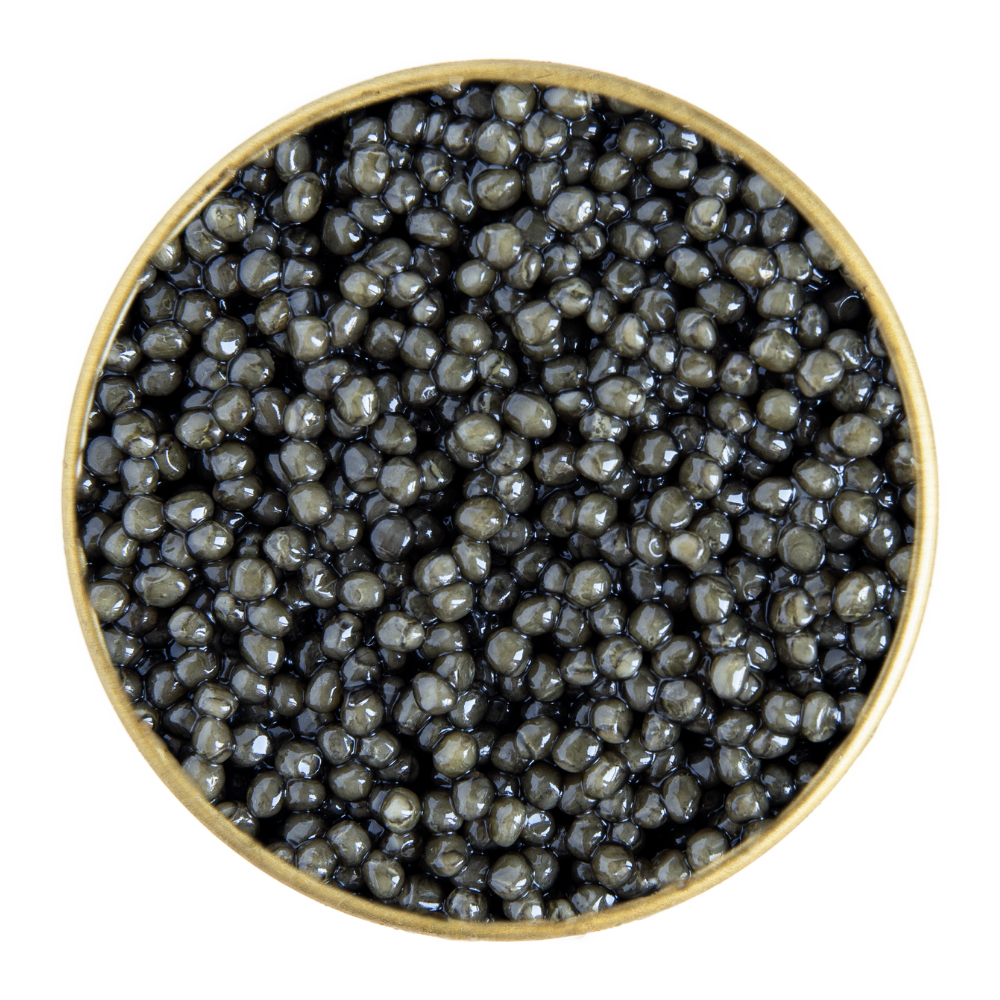
- Russian sturgeon: the scent of the open sea. Our first suggestion here is the chilled Czechoslovakia Vodka. If it is to be champagne, let it be brut nature or extra brut with pronounced minerality.
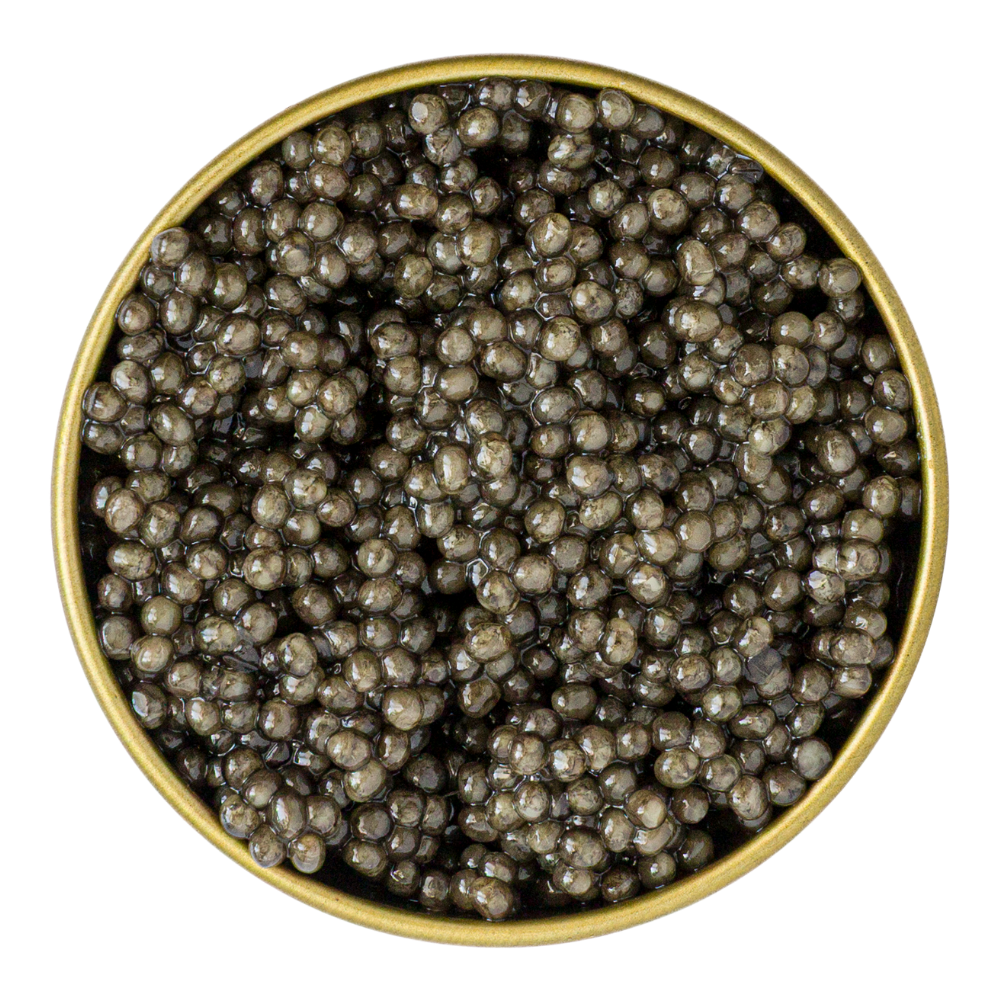
- Beluga and moruna: plain and simple. If, however, you do fancy some champagne, let it be brut, sipped sparingly and after a bite to eat.
- Hybrid varieties and albino: Follow the character, not the label. Treat a substantial profile like beluga caviar.
- Blinis with butter and caviar: blanc de noirs or a light brut rosé.
At what temperature should champagne be served with caviar?
Champagne is served with caviar at 6 to 8 °C, which is slightly cooler than the 8 to 10 °C recommended by the Comité Champagne, the organisation representing winegrowers and wine houses in Champagne. The reason is simple: the wine in the glass warms up quickly, whilst the cold keeps the acidity alive.
The easiest way is to place it in a bucket half-filled with water and ice for 20 to 30 minutes. The freezer is for vodka, not champagne.
In the study by Liger-Belair and colleagues, champagne, served at 4, 12 and 18 °C, loses more carbon dioxide upon pouring the warmer it is, whilst the bubbles do half the work until the caviar is served. Caviar is subject to an even stricter rule: it is the last thing to be taken out of the fridge, just before serving, and is served chilled over crushed ice. We explain why this is the case in the article on the subject how to store black caviar at home.
What sort of glass is used for drinking champagne with caviar?
Champagne with caviar is best enjoyed from a tulip-shaped glass: tall, slightly bulbous and tapering towards the rim. It preserves the bubbles better than the bowl, whilst also allowing the aroma to develop.
According to the Comité Champagne, neither the flute nor the bowl fully reveals the wine’s character. If the choice is between the two, the flute is better for caviar: it keeps the bubbles in longer. A standard white wine glass will also do the job.
Pour until the glass is two-thirds full, in two stages: first a little, then the rest. Hold the glass at an angle so that the wine runs down the side: according to Liger-Belair’s research, this means it loses less carbon dioxide.
How should you drink champagne with caviar: with the bite or after it?
Champagne is drunk after a bite of caviar: first the pearl, then a small sip to cleanse the palate for the next one.
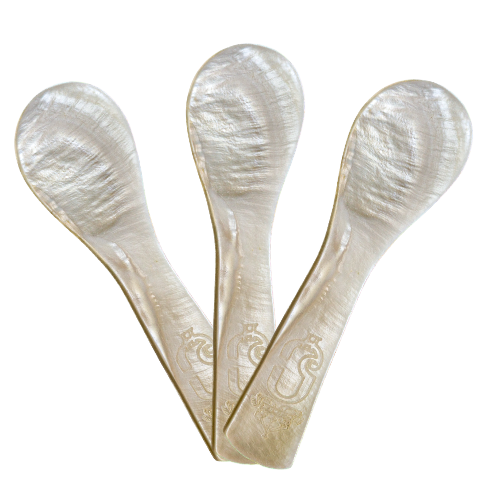
Take the pearls with mother-of-pearl spoon, take a small bite without chewing, let the flavour unfold on your palate, and only then take a sip. The mother-of-pearl does not alter the flavour, so nothing else comes between the caviar and the wine. The finest caviar is eaten on its own, without lemon or onion.
Is there a Bulgarian sparkling wine that could replace champagne?
Yes, dry Bulgarian sparkling wine can be used as a substitute for champagne if it is made using the traditional method, with a second fermentation in the bottle, and is labelled as ‘brut’ or ‘extra brut’.
„Champagne“ is a protected designation reserved solely for sparkling wine from the Champagne region of France, although here we habitually use the term to refer to any sparkling wine. The production method says more than the name. With the traditional method, the wine matures on its lees in the bottle and develops notes of brioche. With the tank method, the second fermentation takes place in a large sealed vessel, and the wine is fruitier and simpler.
Dry sparkling wine made using the traditional method is for a quiet evening with caviar, whilst fresh tank-fermented sparkling wine is for a party where the caviar is passed round the table. French crémant and Spanish cava are also made using the traditional method. The rule regarding sweetness remains the same: brut or drier.
How much champagne do you need for an evening with caviar?
A 750 ml bottle makes about six 125 ml glasses and is easily enough for three or four people to share a tin of caviar. This combination works best with small sips between mouthfuls, not with full glasses.
If the evening is running late, pick up a second, different bottle: a blanc de blancs and a blanc de noirs side by side reveal the difference from the very second sip. The best way to learn about pairings is at the table, so it’s worth trying and caviar tasting: at our tasting events, the special caviar menu is served a selection of wines and champagne, whilst the individual tasting is tailored to the occasion and the number of guests.
What are the most common mistakes when pairing caviar and champagne?
- Sweet champagne. Demisek and Du are heading towards the salt.
- „Extra Dry“, taken to mean dry. It’s sweeter than brut.
- The bottle is far too warm. The bubbles disappear and the acidity fades away.
- An old vintage bottle to accompany the finest caviar. She speaks; he remains silent.
- A dark, deep rosé to a clear caviar colour. The fruit drowns out the pearls.
What should we bear in mind about caviar and champagne?
- Dry: brut nature, extra brut or brut with a low dosage. Never demi-sec or doux.
- Blanc de blancs for delicate dishes, blanc de noirs for pancakes with butter.
- The unaged variety is safer; the aged variety is for after the caviar.
- Between 6 and 8 °C, in a tulip glass, filled to two-thirds.
- The beluga first, the champagne afterwards.
- First the pearl, then the sip.
The end of every year marks a new beginning: caviar and a glass of chilled champagne. Don’t wait until December. Who will you open the bottle with?
Sources
- Comité Champagne – Dosage
- Comité Champagne – Ageing
- Comité Champagne – Champagne Rosé
- Comité Champagne – How to serve Champagne
- EUR-Lex – Delegated Regulation (EU) 2019/33, Annex III, Part A
- WSET – Four Rules for Masterful Food and Wine Pairing
- Liger-Belair, G. et al. – On the losses of dissolved CO₂ during the serving of champagne (2010)
- Champagne de Venoge – Princes Blanc de Noirs, technical data sheet
- Æmillius Caviar – Caviar Guide: how to choose the right caviar to suit your taste and the occasion
- Æmillius Caviar – Caviar and blinis: the little bite that makes a big impression
- Æmillius Caviar – The flavour profile of black caviar: what should it taste like?
- Æmillius Caviar – How to choose caviar for special occasions?
- Æmillius Caviar – Black caviar: questions and answers