
Differences in the quality of caviar
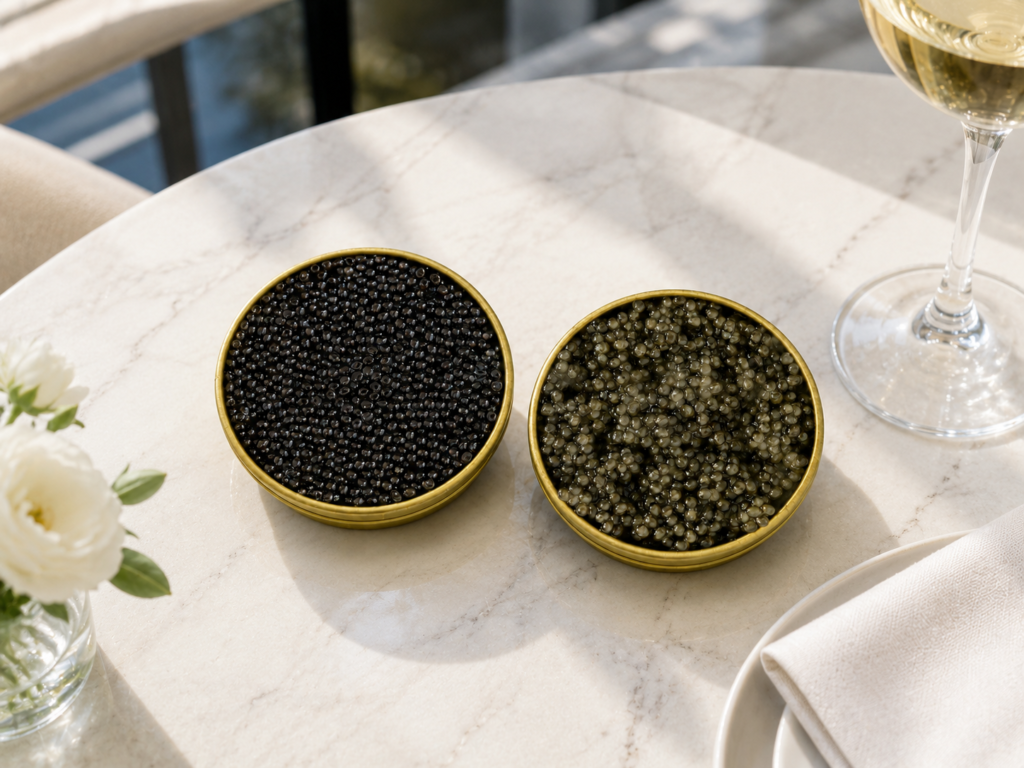
No, not all black caviar is the same. Behind their similar appearance may lie different species of sturgeon, varying sizes and structures of the caviar, different degrees of maturity, salting methods, origin and storage conditions. It is precisely these factors that determine whether the flavour will be delicate and buttery, deeper and more briny, or complex and long-lasting.
At Æmillius Caviar, we view the choice of caviar as a choice of character, rather than simply a matter of cut or price. The following questions will help you find the product that suits your taste and the occasion.
What does „genuine black caviar“ actually mean?
Genuine black caviar consists of carefully processed and salted eggs from fish of the sturgeon family. These include the moruna, Russian sturgeon, the Siberian sturgeon, the sevruga and other sturgeon species.
A dark colour alone does not prove that a product is black caviar. Eggs from other fish, as well as plant-based or gelatine-based imitations, are not genuine sturgeon caviar.
To make sure you’re making the right choice, check the type of fish, its Latin name, its origin and the information on the label. In our category black caviar You can compare selections from different species of sturgeon.
What determines the quality of black caviar?
Quality is determined by a combination of the fish’s origin, species and age, the maturity of the roe, the precision of the processing, the amount of salt, freshness and temperature control. None of these factors should be considered in isolation.
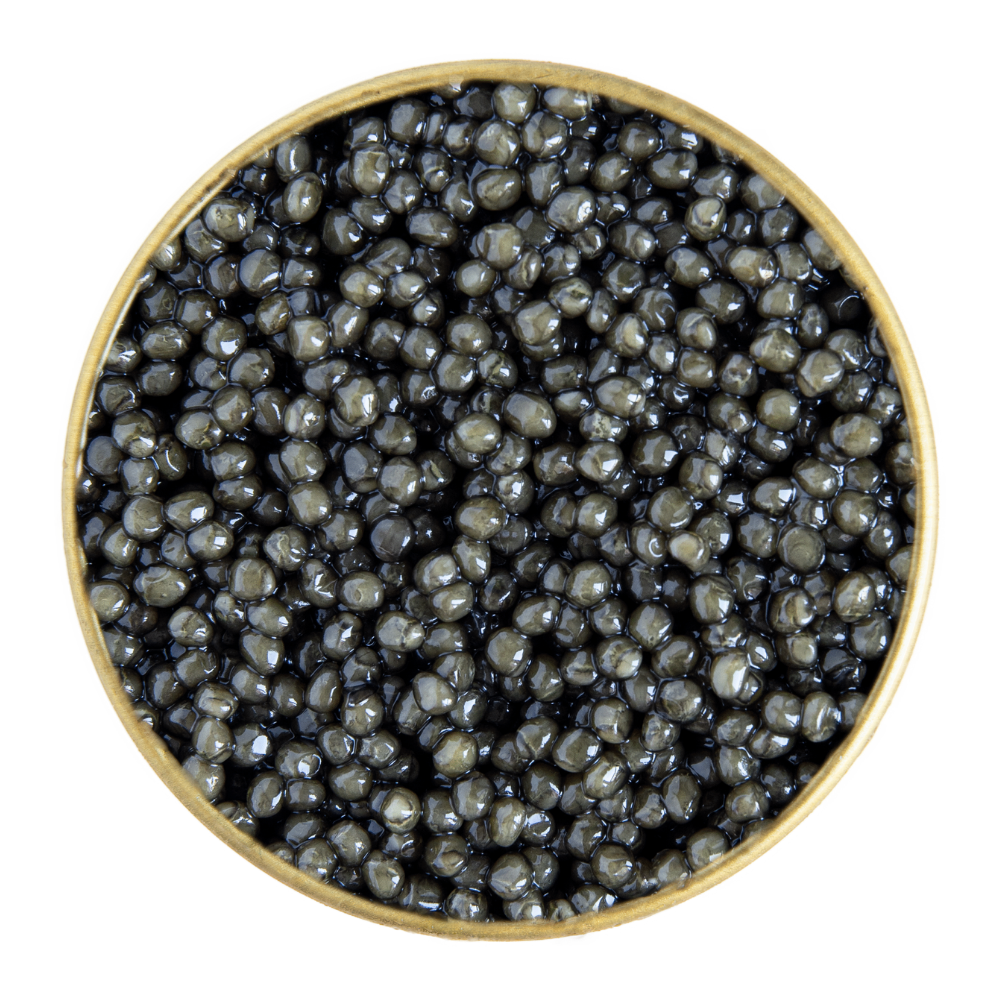
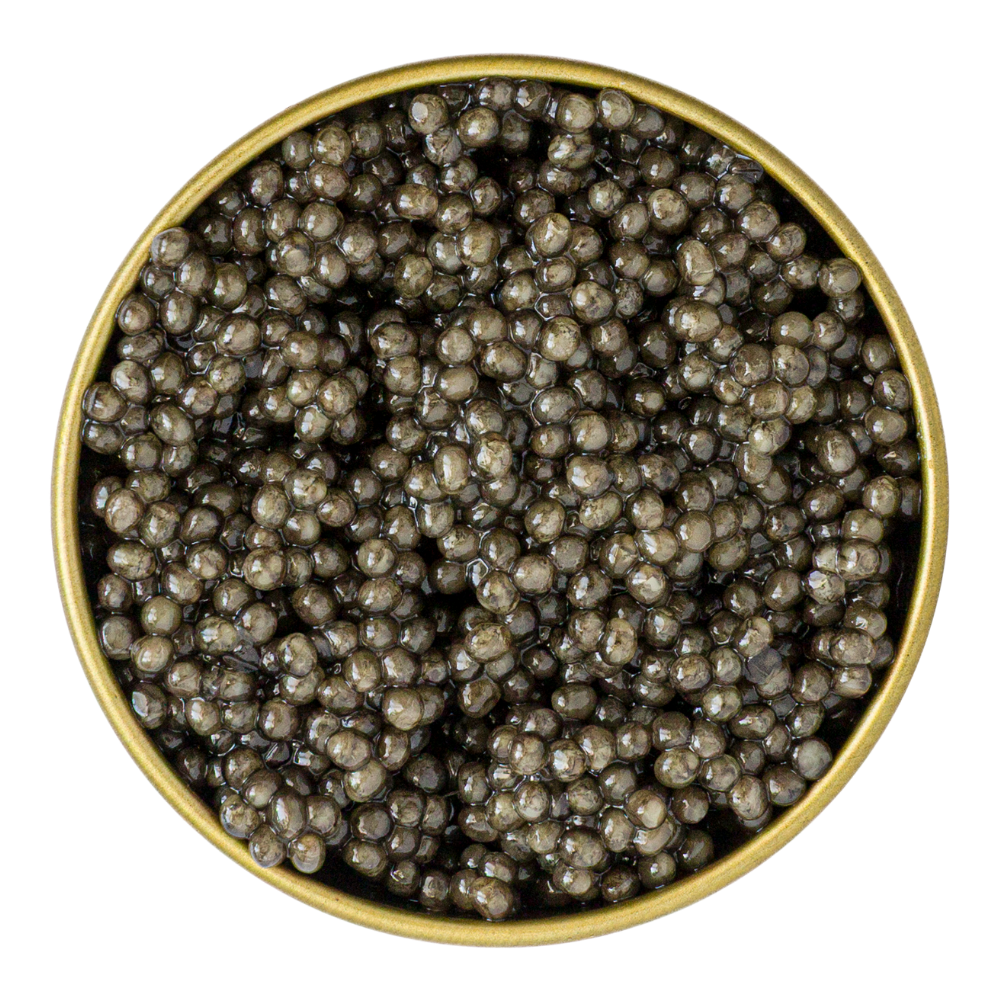
High-quality caviar has well-formed grains, a clean aroma, a balanced saltiness and a pleasant aftertaste. The grains should be separate from one another and retain their structure, without the product appearing dry or watery.
Does the type of sturgeon affect the flavour?
Yes. The species of sturgeon is one of the most important factors determining the size, colour, texture and flavour profile of the caviar. This is why Beluga, Ossetra and Baerii are not interchangeable terms.
Siberian sturgeon generally has a milder, oilier and more approachable flavour. Russian sturgeon is characterised by a firmer texture and a more complex flavour. Beluga is recognisable by its large, delicate roe and its subtle, lingering flavour.
Do larger pearls always mean higher quality?
Not necessarily. Size is a valued characteristic, but it does not in itself determine quality. Size depends on the species, the age of the fish and the specific batch. Beluga naturally produces some of the largest pearls, whilst other sturgeon species have smaller pearls but can offer a remarkable texture and flavour.
It is more important that the pearls are uniform, well-shaped and have the right texture. A pearl that is too soft may fall apart, whilst one that is too hard may be unpleasant. True quality is evident in the balance between size, durability, tenderness and the way the flavour is released.
What should the texture of good caviar be like?
The ideal texture is firm but not chewy, delicate but not mushy. The pearl should retain its shape until it is tasted and dissolve smoothly on the palate.
In high-quality caviar, the individual pearls are clearly distinguishable. The tin should not contain an excessive amount of liquid, broken eggs or a sticky mass. The texture is the result of the caviar’s maturity, careful sifting, salting, packaging and the constant maintenance of the correct temperature.
How does colour affect quality?
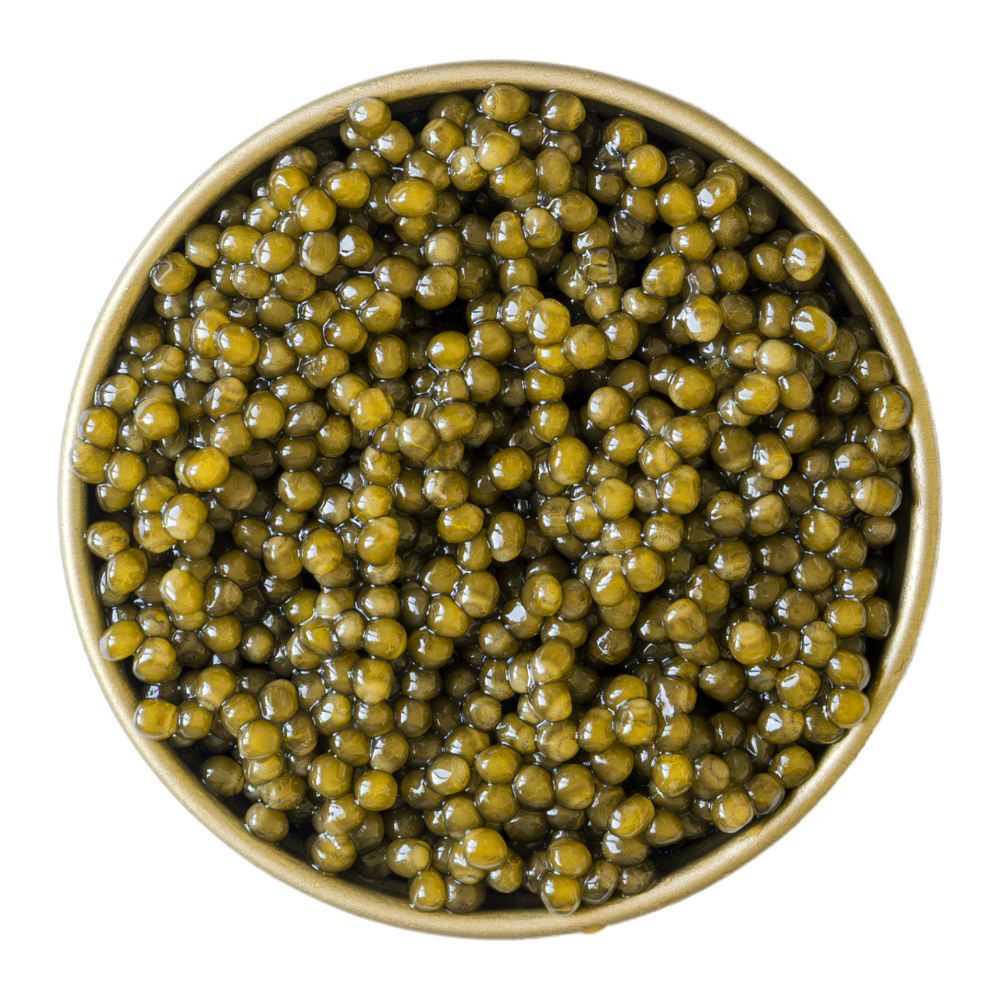
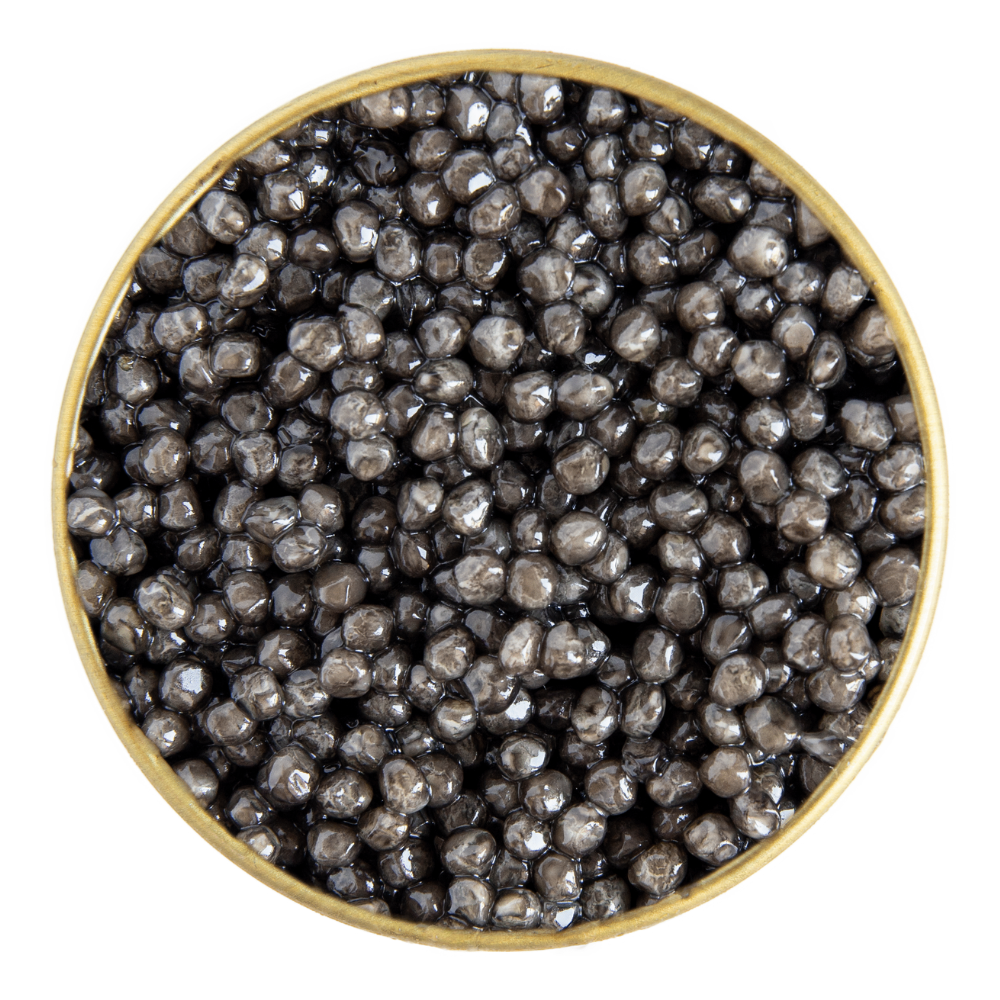
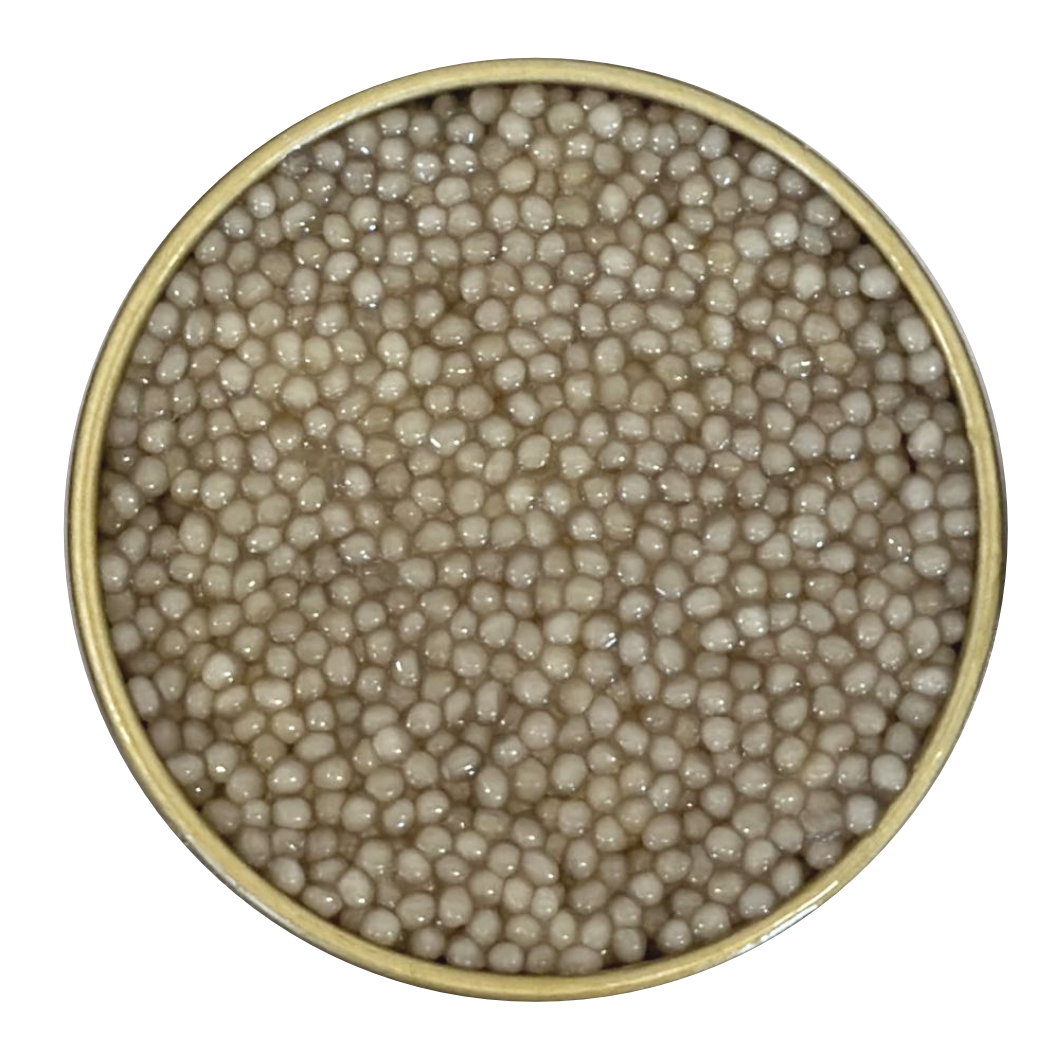
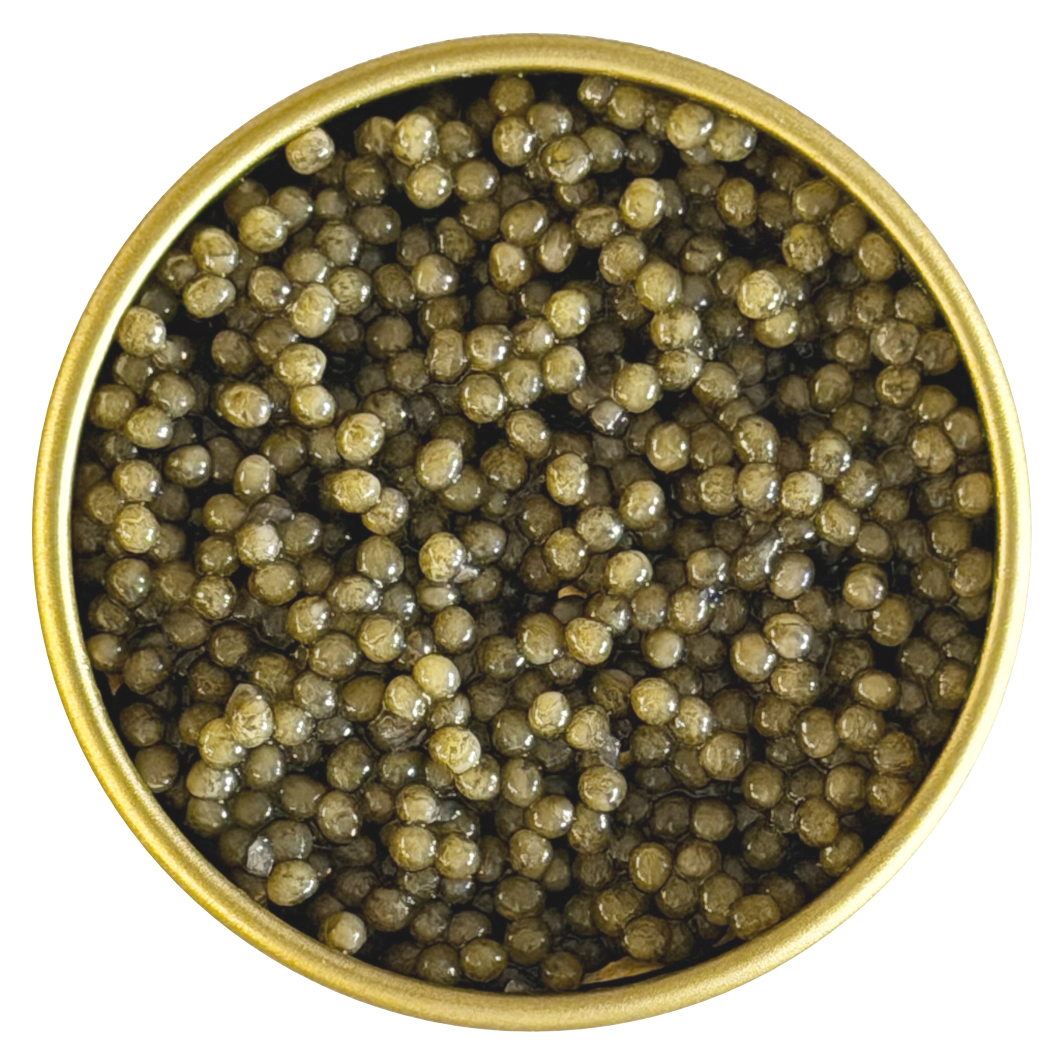
Colour is not a universal indicator of quality. Black caviar can be dark grey, brownish-grey, silvery, golden, creamy or almost white. The shades depend on the species of fish and the selection.
Golden flecks are often rare and highly prized, but dark caviar can also be exceptional. Albino varieties illustrate most clearly why the term „black caviar“ should not be taken literally to mean that it must be black in colour.
What does „lightly salted“ mean, and why is salt important?
„Malosol“ means „lightly salted“ and refers to a traditional method in which caviar is delicately salted so that the salt preserves the product without masking its natural flavour. In The FAQ section on Æmillius Caviar It is stated that freshly harvested caviar is washed thoroughly and salted with a special salt to approximately 3%.
Excessive salt masks the subtle nuances, whilst the right balance brings out the seafood character and richness. That is why low salt content is an important indicator, but it must go hand in hand with impeccable freshness.
How do Beluga, Ossetra and Baerii differ?
Beluga is the perfect choice for those looking for large, delicate pearls and an exceptionally refined feel. Take a look the Beluga selection from Æmillius Caviar.
Ossetra, or caviar from the Russian sturgeon, offers a firmer grain, a clean flavour and a more complex, lingering finish. Russian Sturgeon Premium is a good example of selection with a pronounced character.
Baerii from the Siberian sturgeon is softer and oilier, making it an excellent starting point for a first tasting. Baerii Gold Æmillius Caviar combines an approachable flavour profile with large bubbles and golden highlights.
Which caviar is best for a first tasting?
For a first taste of black caviar, we often recommend Baerii or Ossetra. Baerii is ideal for those who prefer a mild, buttery and well-balanced flavour. Ossetra is a good next step for those looking for a firmer texture and more depth of flavour.
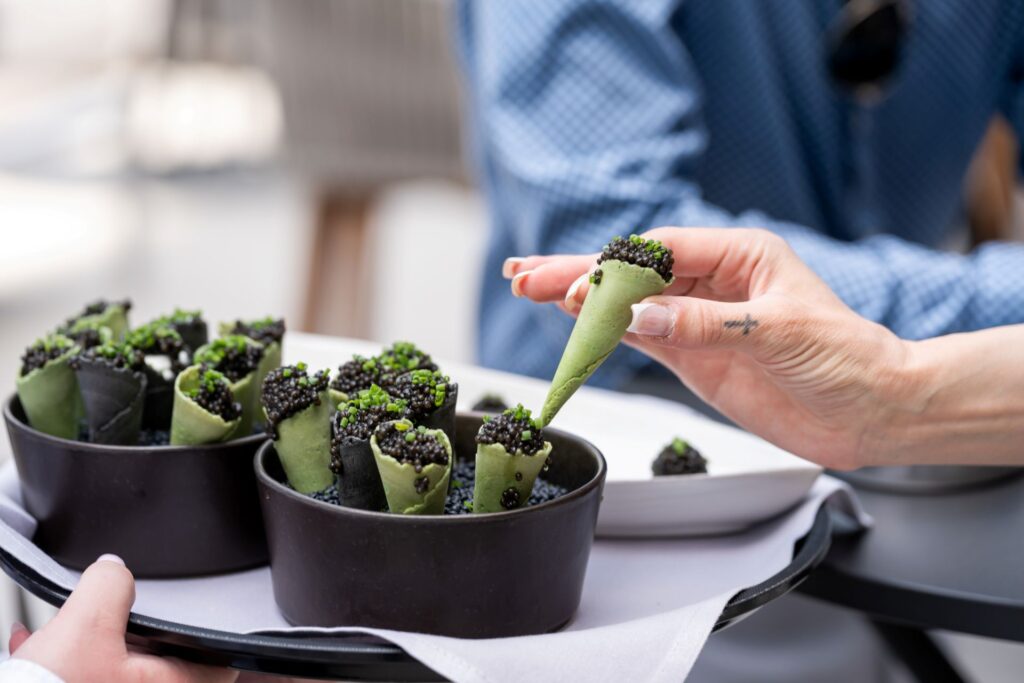
The first tasting does not necessarily have to start with the most expensive product. It is more important that the flavour is pure, that the caviar is properly chilled and served without any strong accompaniments. This allows the palate to recognise the saltiness, the oiliness and the aftertaste. For a personalised selection, you may also wish to browse our caviar tastings.
How can you tell if caviar is fresh?
Fresh caviar has a clean, delicate aroma and does not have an overpowering fishy smell. The grains are distinct, their surface has a natural sheen, and the flavour is balanced and clean. A strong bitterness, a pungent smell, excessive moisture or a broken texture can all be warning signs.
Freshness begins before the product is opened and depends on processing, cooling, transport and storage. That is why a reliable source and a controlled cold chain are just as important as the product’s visible appearance.
Why do origin and labelling matter?
The origin provides information about the farm, the species of fish, traceability and the legality of the product. Modern black caviar must come from farmed sturgeon, as wild populations are protected.
On the label, look for the species or species code, country of origin, batch number, storage conditions and CITES information, where applicable. This information enables traceability and distinguishes responsibly produced caviar from products of unclear origin. At Æmillius Caviar, we prioritise transparency alongside taste and appearance.
Does price determine quality?
The price is a guide, but it is not a guarantee in itself. It may reflect the rarity of the species, the number of years taken to reach maturity, the size of the pearls, the limited selection, the origin and the complexity of production. Beluga is usually in the high price bracket precisely because of the biology of the fish and the rarity of the product.
The best choice depends on your preferences and the occasion. For an everyday gourmet gathering or a first tasting, Baerii may be more suitable. For a more complex flavour – Ossetra. For a ceremonial gift or a special occasion – Beluga or a rare selection.
Can improper storage reduce the quality?
Yes, even the finest caviar can lose some of its qualities if stored at the wrong temperature. Æmillius Caviar recommends storing it at around –2°C, without freezing. Freezing can damage the membrane of the caviar beads and, once thawed, result in increased moisture and a less firm texture.
Once opened, the caviar is best consumed within 24 hours for optimum flavour. The tin must be kept well chilled until serving. The detailed steps are described in our instructions for storage, transport and serving.
Does the way food is served affect the perception of quality?
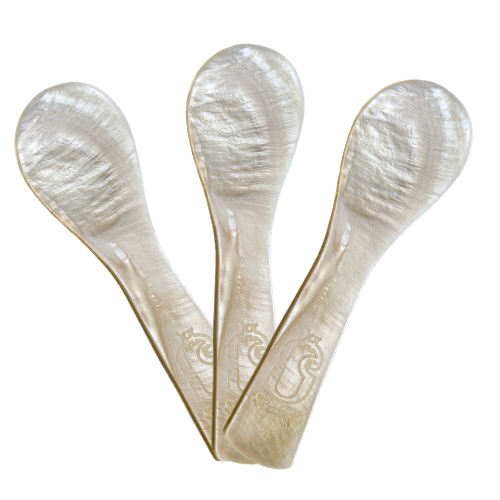
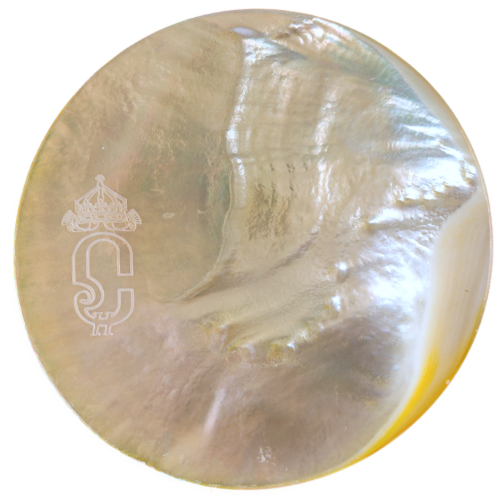
Yes. The temperature, the serving dish and the accompaniments can either highlight or mask the character of the caviar. The purest way to enjoy caviar is to serve it well chilled, on its own with mother-of-pearl spoon. Mother-of-pearl does not alter the taste and does not damage the delicate pearls.
For longer events, the box can be placed on a bed of crushed ice. Extras such as blinis and a neutral cream should serve as a backdrop rather than dominate. Suitable serving accessories help to ensure that the tasting retains its purity and ritual.
Is the caviar from two tins of the same variety the same?
Not entirely. Caviar is a natural product and individual batches may vary in colour, pearl size, density and subtle differences in flavour. Even when the fish species and the product are the same, the age of the fish, the season and the selection process all influence the final result.
This is natural individuality. The selection brings together pearls with harmonious characteristics and consistent quality. In the rarest grades, it is precisely the subtle nuances of a particular batch that create a unique experience.
How do you choose the right black caviar?
Start with the flavour, not just the name. Choose Baerii for a milder, buttery profile; Ossetra for firm pearls and complexity; and Beluga for large, delicate pearls and an exceptional experience. Then consider the quantity, the occasion and how it will be served.
For a tasting with dinner, you can usually allow up to 30 grams per person, and when caviar and drinks are the main focus – around 50–80 grams. The most important thing is that the product is of clear origin, has been stored correctly and is served with respect for its character. You’ll find further practical advice on the page Black caviar: questions and answers.
What is the difference you notice right from the very first pearl?
The difference lies in the purity. High-quality black caviar does not rely on excessive salt, a strong aroma or ostentation. It reveals itself gradually – through the texture of the roe, the balance of flavours and the aftertaste it leaves behind.
At Æmillius Caviar, we believe that not all black caviar is the same, because not every selection is made with the same precision. The species of sturgeon is just the beginning; true quality is determined by its origin, maturity, selection, processing, freshness and proper presentation.
When all these elements come together in harmony, caviar ceases to be merely a luxury product and becomes a memorable experience.
Sources
- Æmillius Caviar – a collection of black caviar
- Æmillius Caviar – Beluga
- Æmillius Caviar – Russian sturgeon
- Æmillius Caviar – Siberian sturgeon
- Æmillius Caviar – black caviar: questions and answers
- Æmillius Caviar – storage and serving instructions
- Codex Alimentarius – standard for sturgeon caviar
- FAO – sturgeon caviar and fish roe products
- CITES – sturgeon and the international trade in caviar
- CITES – a labelling and traceability system for caviar
- University of Florida – what is sturgeon caviar?
- Trends in Food Science & Technology – the quality and authenticity of caviar