



Short answer
Select Beluga, if you’re looking for a coarser, more delicate grain, a silky texture and a smooth, lingering flavour for a truly special occasion. Choose Ossetra, if you prefer a firmer pearl, a more pronounced character and a complex flavour profile with distinct briny, buttery and, at times, nutty notes.
Both varieties are premium black caviar. The right choice depends not so much on which is „better“, but on your personal taste, the occasion and how it is served.
At Æmillius Caviar, we do not regard Beluga and Osetra as higher and lower grades of caviar. They represent two different concepts of luxury. Beluga impresses with its finesse, smoothness and rarity. Osetra wins you over with its character, texture and versatility.
The following questions will help you work out which of the two types is best suited to your table.
What is the main difference between beluga and osetra?
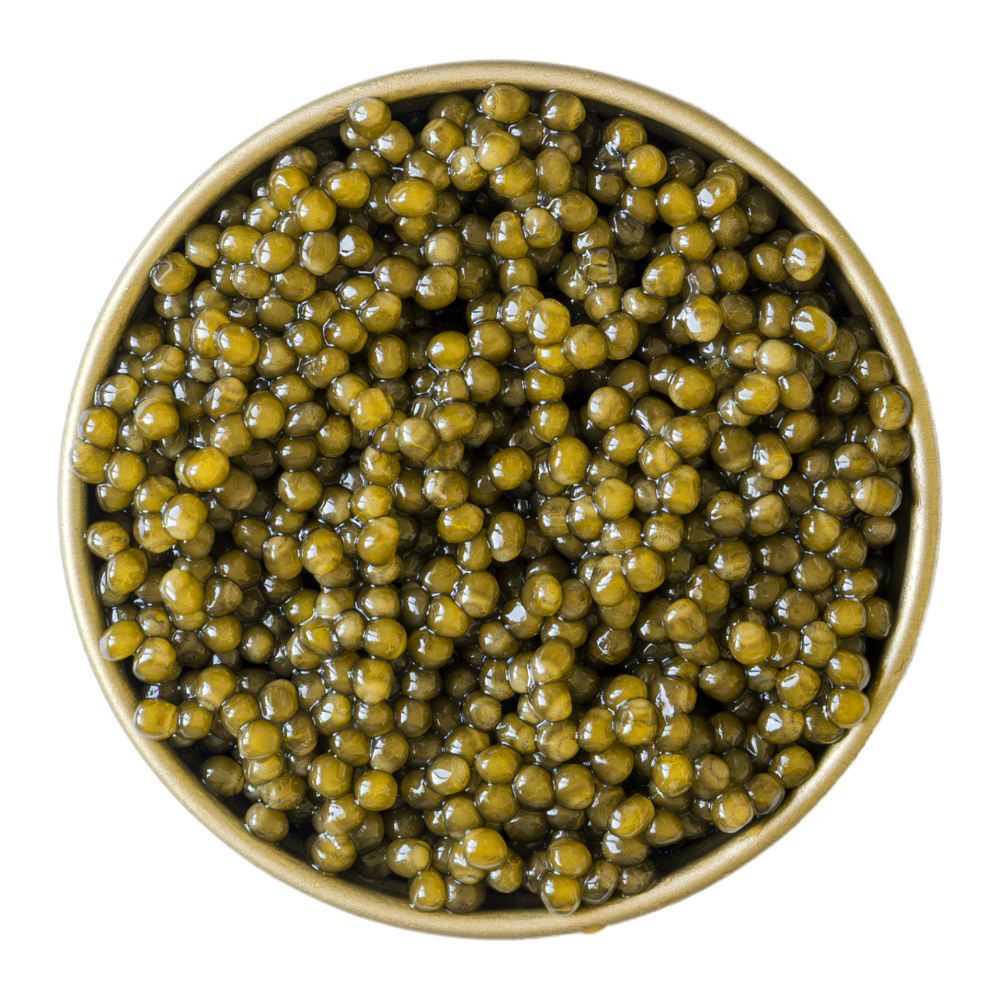
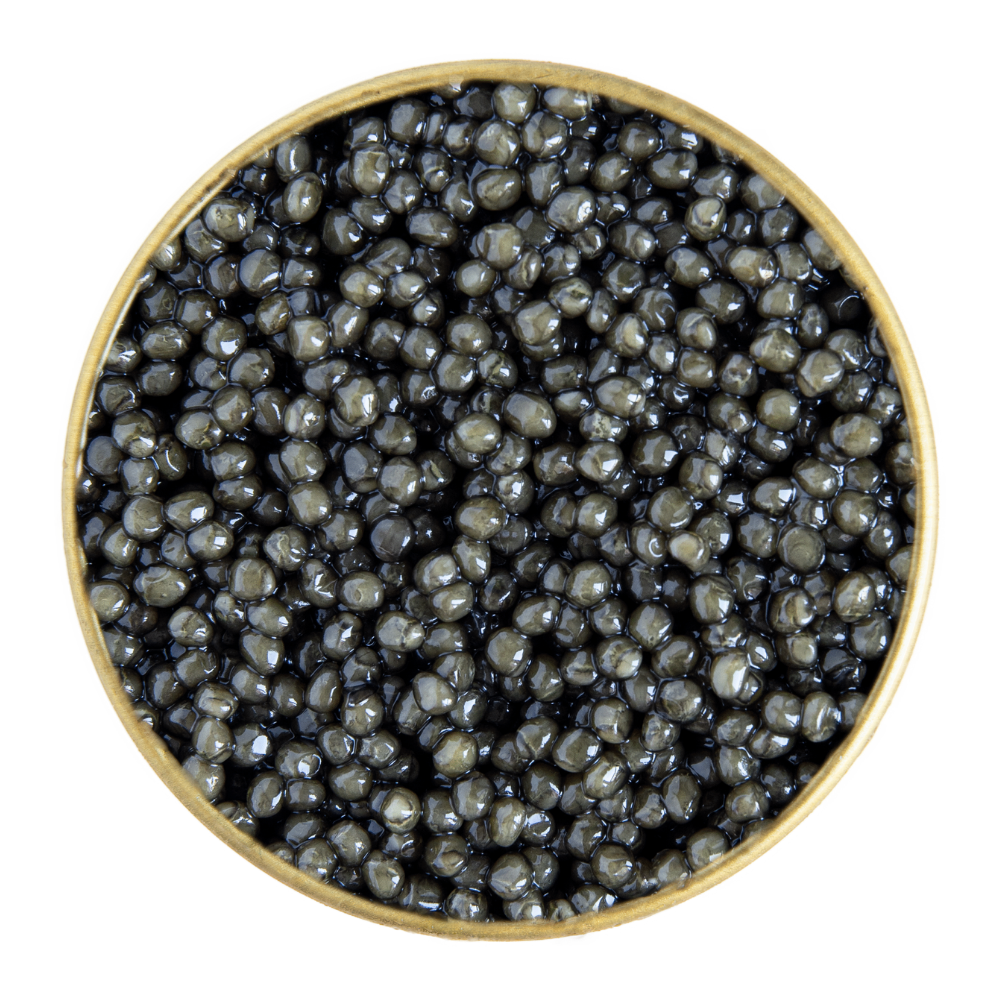
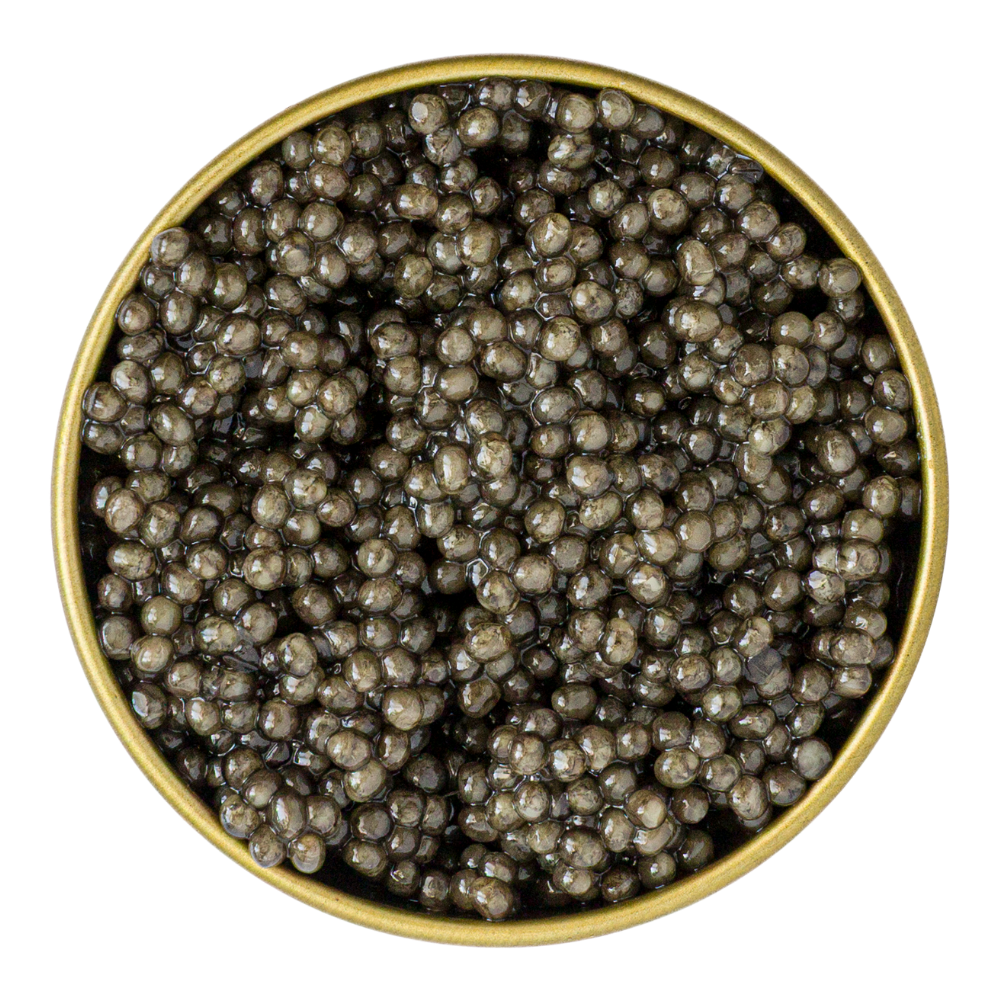
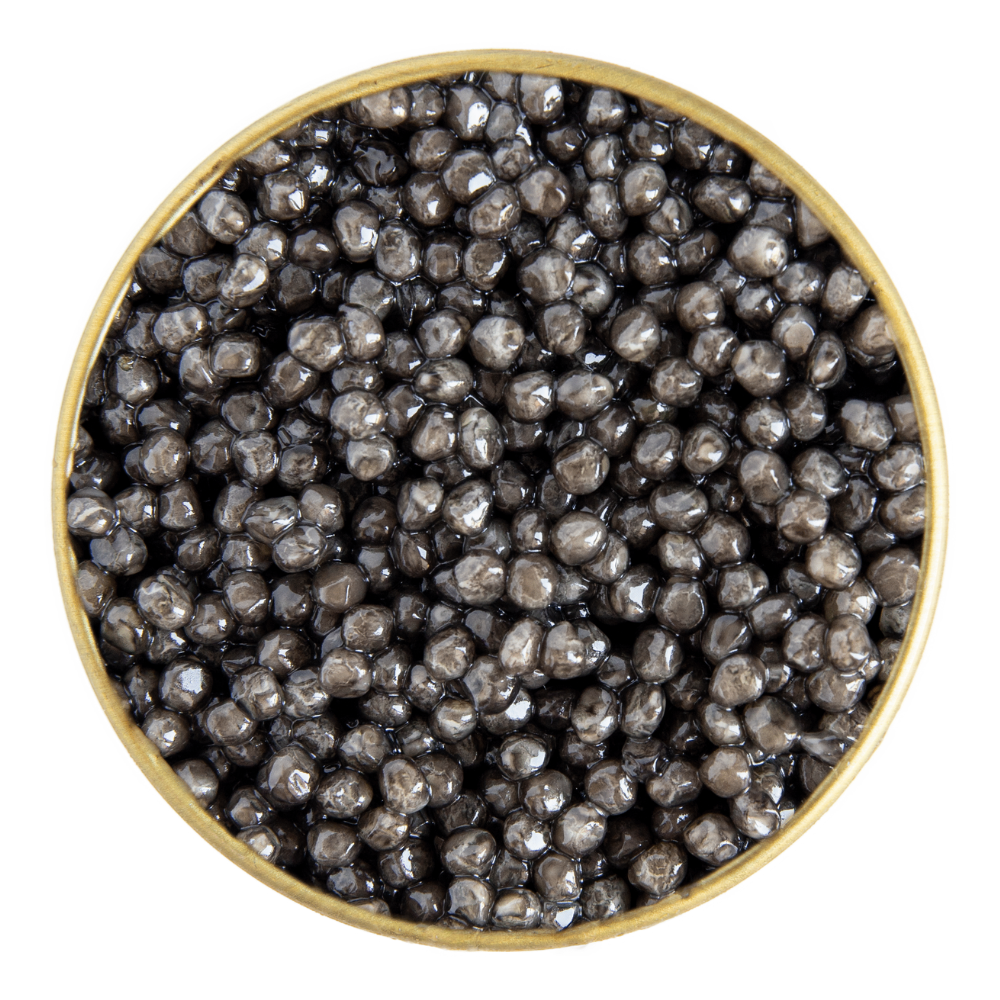
Beluga is caviar from the sturgeon, or Huso huso, whilst the sturgeon is most commonly associated with the Russian sturgeon Acipenser gueldenstaedtii. Different species of fish account for natural variations in grain size, colour, shell density, texture and flavour profile.
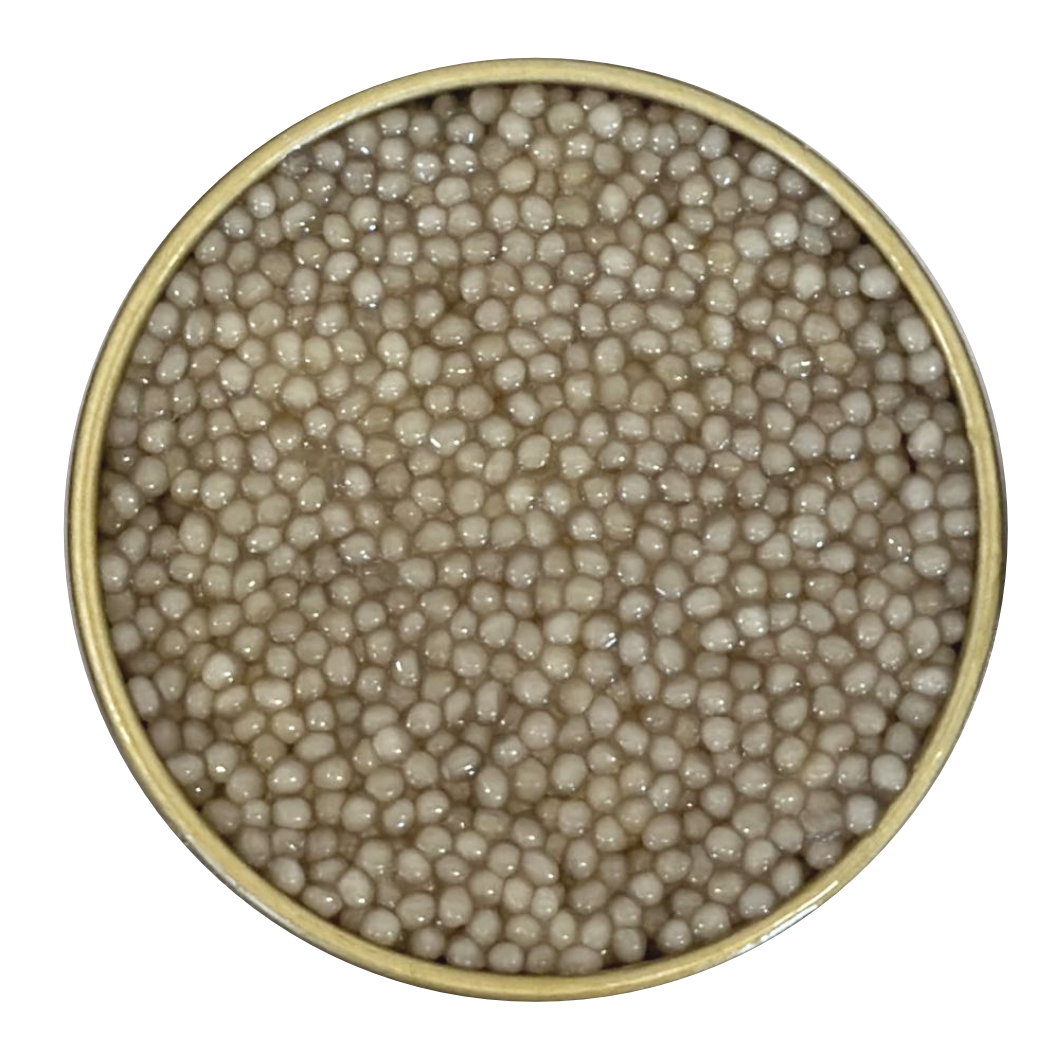
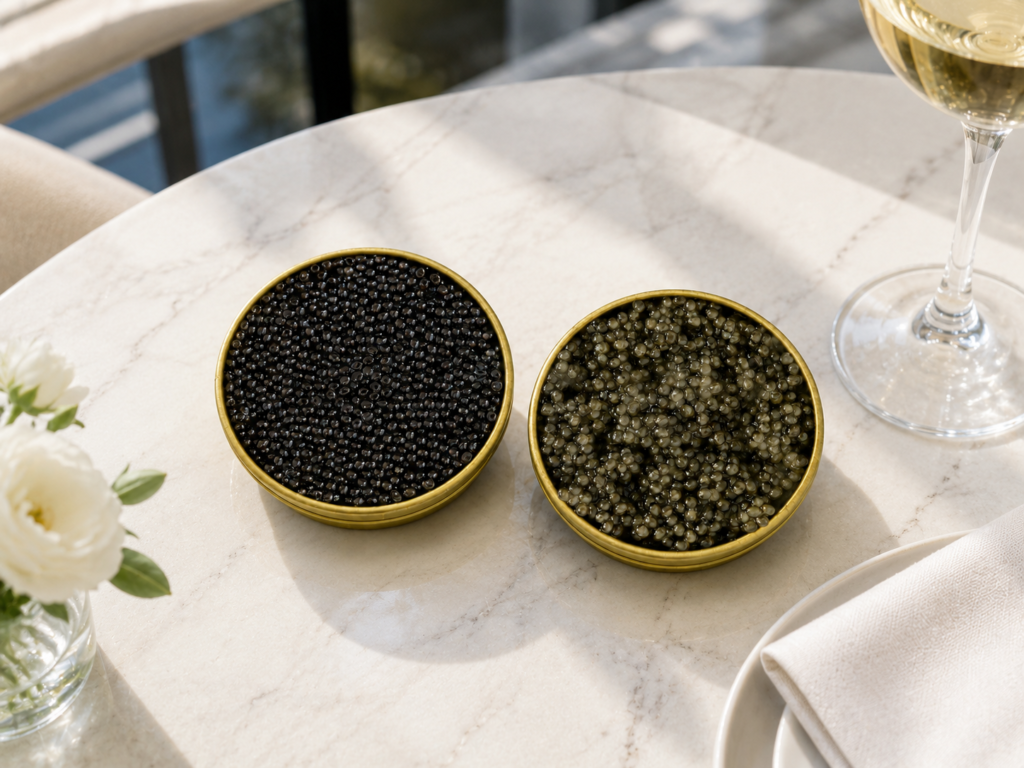
Beluga caviar usually has larger and more delicate pearls. They melt smoothly and release their flavour gradually. Osetra has a firmer texture and a more distinct sensation when the pearl bursts. Its flavour is often more complex and distinctive.
You can browse our entire a selection of black caviar or compare the Beluga and Russian sturgeon categories directly.
What does Beluga caviar taste like?
Beluga is characterised by a delicate, clean and lingering flavour. The initial sensation is soft and silky, and the saltiness should not be overpowering. In high-quality Beluga, the marine notes develop gradually and leave a long, elegant finish.
This is caviar for people who appreciate subtlety. Beluga does not seek to impress with an overpowering saltiness or a firm texture. Its strength lies in its balance: large pearls, a delicate mouthfeel and a flavour that lingers without being overpowering.
From the Æmillius Caviar range Beluga CRU It is Bulgarian caviar from farmed sturgeon, identified by the species code HUS on the CITES label. This allows the species and origin to be clearly traced.
What does sturgeon caviar taste like?
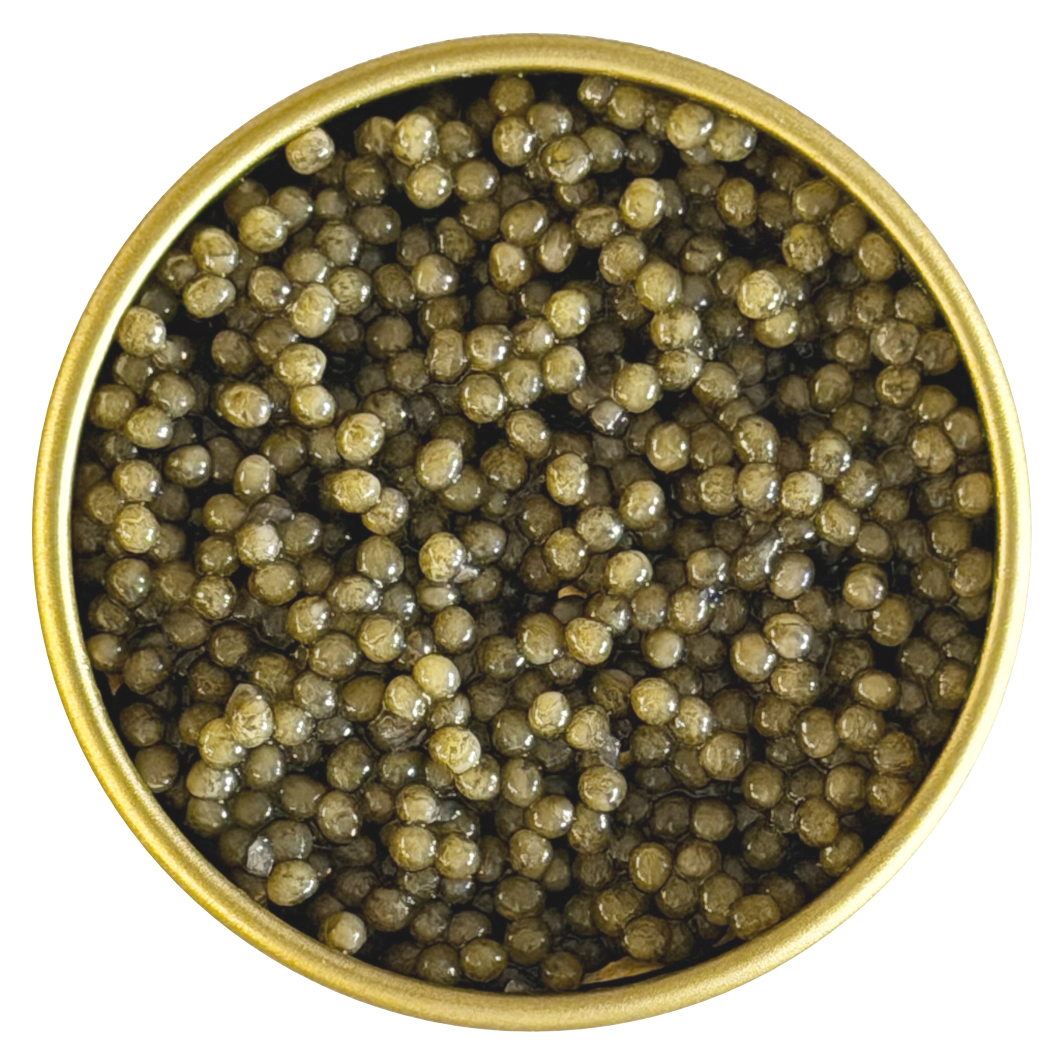
Osetra has a more pronounced and multi-layered character. Depending on the specific selection, one may detect pure marine, oily, mineral and delicate nutty notes. The finish is persistent, and the texture is generally firmer than that of Beluga.
This structure makes Osetra particularly well-suited to tasting. The flavour develops in stages: first you notice the texture, then the saltiness and the briny notes, and finally the deeper aromatic nuances linger.
Our Russian Sturgeon Premium It is the preferred choice for holidays, birthdays and family celebrations. The product is manufactured in Bulgaria and is labelled with the product code GUE, used for Acipenser gueldenstaedtii.
Which caviar has the largest pearls?
In the classic comparison, Beluga caviar usually has larger pearls than Osetra. However, size is not the only criterion for quality.
Also important are:
- the uniformity of the pearls;
- their integrity;
- natural shine;
- texture;
- the pure aroma;
- the salt balance;
- origin and traceability.
Sturgeon can also produce impressively large pearls, particularly in the higher-grade selections. Therefore, do not choose based solely on a photograph or the general name of the species. Consider the specific batch, the selection, the origin and the advice of a specialist.
Beluga stands out for its natural plumpness and delicacy. Osetra stands out for its density, texture and the distinct sensation of each grain.
Which caviar has a better texture?
Texture is a matter of personal preference. Beluga is silkier, softer and more delicate. The pearls unfurl with the slightest pressure, creating a sensation of smoothness.
Sturgeon has a firmer texture and a more distinct „crack“, which many connoisseurs specifically seek out.
Choose Beluga if you like a delicate, almost melt-in-the-mouth texture. Choose Osetra if you want a more pronounced grain and a more dynamic flavour experience.
In a professional tasting, the texture should be assessed before adding blinis, crème fraîche or other accompaniments. A small teaspoon of pure caviar best illustrates the difference between the two types.
Which is better for a first tasting: beluga or osetra?
For a first tasting, Osetra is often the easiest point of reference. It has a clearly recognisable texture, a rich flavour and a good balance between prestige, character and versatility.
This helps beginners to work out more easily what they like: a saltier flavour, a firmer texture, more pronounced maritime notes, or a longer finish.
Beluga is an excellent first choice when the aim is to experience the most delicate style of black caviar at first hand. However, it reveals its nuances best to a calm and clean palate.
The best way to enjoy them is through a comparative tasting: start with the Osetra, then move on to the Beluga. Begin with the more full-bodied flavour and finish with the more delicate, silky variety.
For a guided experience, take a look at our caviar tastings.
Which caviar should I choose as a gift?
Beluga is an excellent choice for a symbolic, prestigious or deeply personal gift. It carries a distinctive air of prestige and is ideal for an anniversary, a wedding, an important business gesture or to mark a significant achievement.
Sturgeon is a more versatile gift for someone with a keen interest in fine dining. It offers a complex flavour, a distinctive texture and the option of being served either on its own or as part of a carefully curated menu.
When you don’t know the recipient’s preferences, Osetra is the safer premium choice. When you want the gift to be as memorable as possible and the occasion calls for it, Beluga sends a clear message.
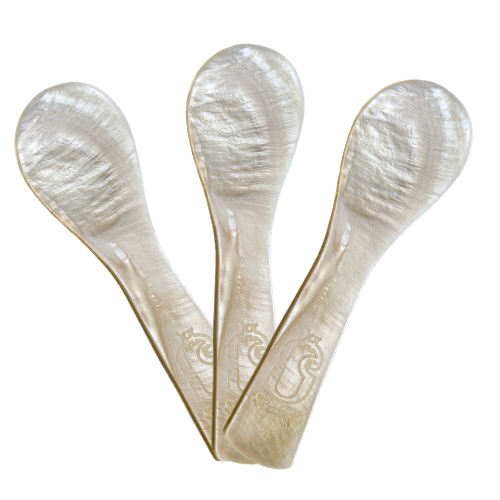
The gift can be complemented with mother-of-pearl spoon, pancakes or a suitable drink.
Which style is suitable for a wedding or a major event?
Whether it’s a wedding, a corporate dinner or a formal reception, the choice depends on the style of service and the number of guests.
Sturgeon is ideal for larger events because it has a distinctive flavour, a good texture and works well as individual bites, on blinis or when served at the table.
Beluga is ideal for adding a special touch: an official opening, a VIP table, a tasting ritual or a ceremonial serving. Its delicate character is best appreciated when it is not masked by too many other ingredients.
At a large-scale event, Osetra can be served as the main course and Beluga as the highlight. This allows guests to experience a genuine comparison between two premium styles of caviar.
Which goes better with champagne: beluga or osetra?
Both types go perfectly with dry champagne, but the effect is different.
Beluga pairs well with a delicate, mineral and elegant champagne that does not overshadow its delicate texture. Osetra can be paired with a more structured champagne with a longer finish and more pronounced maturity.
Look for high acidity, purity and moderate sweetness. Avoid overly sweet sparkling wines, as these can upset the balance and make the seafood taste heavier.
The most important rule is that the drink should refresh the palate, rather than compete with the caviar.
And which type goes better with vodka?
Beluga, well-chilled and pure vodka It is a classic combination. The neutral flavour and low temperature bring out the creaminess of the caviar and refresh the palate between mouthfuls.
Sturgeon also pairs beautifully with vodka, particularly when you’re looking for a contrast between its firm texture, more complex briny flavour and clean alcoholic finish.
With sturgeon, you might choose a vodka with a little more character, but without any strong flavourings. Serve in small quantities. The aim is not for the drink to dominate, but to set the pace for the tasting.
How should I serve Beluga and Osetra?
Remove the caviar just before serving and serve it well chilled, without freezing it. Place the tin or specialised container on ice, taking care to ensure that the water does not come into direct contact with the product.
Use a spoon made of mother-of-pearl, bone or another neutral material. First, try the caviar on its own.
After tasting it on its own, you can add:
- blinis;
- plain potato;
- crème fraîche;
- avocado;
- a quail’s egg.
Side dishes should serve as a backdrop, not the main flavour.
Beluga should be served as simply as possible. Osetra allows for a little more culinary freedom, but it too should not be masked.
See our detailed guide How to serve caviar properly: temperature, order and spoon.
How much caviar does a person need?
The quantity depends on the role of the caviar in the menu. For a comparative tasting, you can choose 30-gram or 50-gram packs and serve small portions of both varieties.
When serving just caviar and drinks, you can allow for approximately 50–80 grams per person. If the caviar is part of a full dinner, the amount can be up to around 30 grams per person.
With Beluga, people often opt for a smaller portion served as simply as possible. With Osetra, guests can try a wider variety of combinations without compromising the character of the product.
The exact weight depends on the number of guests, the menu and the serving method. If in doubt, please consult our team before placing your order.
Why is beluga caviar usually more expensive than osetra caviar?
Beluga is characterised by a longer farming period, more limited availability, large grains and exceptionally high demand. These factors place it amongst the rarest and most prized categories of black caviar.
Osetra is also a premium product, but it generally offers a more affordable entry point than Beluga. This does not mean a compromise on quality.
For many connoisseurs, it is the Osetra that offers the best balance between complexity, texture, prestige and the opportunity to enjoy it more frequently.
The price also depends on:
- selection;
- the size and colour of the grain;
- origin;
- the specific batch;
- the cut;
- availability.
So compare specific products, rather than just the names of the varieties.
How can I identify the genuine origin?
Check the label, the product code, the country of origin, the year, the manufacturer or processor, and the batch number.
The CITES international system uses standardised labelling for packages containing sturgeon caviar. The species code for beluga is HUS, and for Russian sturgeon it is GUE.
The label should enable the product to be traced, rather than relying solely on terms such as „luxury“, „imperial“ or „royal“.
Æmillius Caviar provides clear details of the origin, type and specific product information. More key points to help you choose, delivery, storage and you’ll find the serving instructions on the page Black caviar: questions and answers.
Beluga or Osetra: what does Æmillius Caviar recommend?
Select Beluga, when:
- the occasion is a rare, personal and symbolic one;
- you want coarse yet delicate grains;
- you prefer a silky texture;
- The caviar should be the centrepiece of the evening;
- You’re looking for an exceptional premium gift.
Select Ossetra, when:
- you’re looking for character and a firmer texture;
- you prefer a complex and distinctive flavour;
- are organising a dinner or a larger event;
- you want more serving options;
- you are looking for a balance between prestige and versatility.
If you’re still undecided, opt for a comparative tasting. Try both varieties one after the other, at the same temperature and without any strong accompaniments.
The real choice isn’t made solely on the basis of prestige or price. It happens the moment a single grain lingers in your taste memory.
At Æmillius Caviar, we believe that the right caviar is the one that suits both the occasion and the person. Beluga is the tranquillity of perfectly measured luxury. Osetra is the character that turns a tasting into a conversation.
Both embody our principle: black caviar, no compromises.