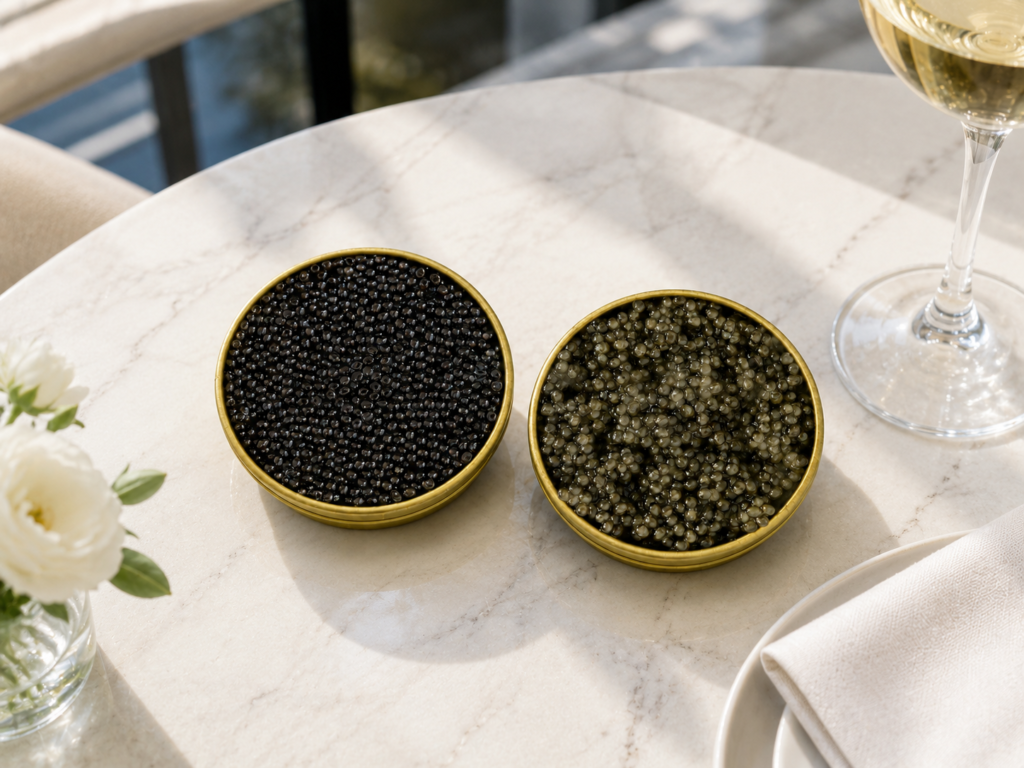



Black caviar is often associated with a refined taste and special occasions, but its nutritional profile deserves no less attention. It contains iron, vitamin B12, complete protein, omega-3 fatty acids and other micronutrients that play a role in the normal formation of blood cells and in maintaining the body’s overall health.
So the short answer is: Yes, black caviar can help with nutrition in cases of certain types of anaemia. However, it does not treat anaemia and cannot replace laboratory tests, a doctor’s assessment or prescribed treatment. Its benefits depend on the cause of the condition, the body’s ability to absorb nutrients and the overall diet.
What is anaemia?
Anaemia is a condition in which the haemoglobin level or the number of red blood cells is insufficient to ensure a normal supply of oxygen to the tissues. The most common symptoms include tiredness, paleness, weakness, dizziness, shortness of breath, palpitations, headaches and reduced physical stamina.
It is important to understand that anaemia is not a single diagnosis. It can result from a deficiency in iron, vitamin B12 or folate, but also from blood loss, chronic inflammation, kidney disease, a hereditary condition or a disorder affecting the absorption of nutrients.
For this reason, diet should be viewed as part of a holistic approach, rather than as an automatic solution. Foods containing iron may be helpful in cases of insufficient intake, but they will not stop active bleeding or treat a condition that prevents iron absorption.
Why is black caviar a good addition to the menu?
Black caviar is a nutrient-dense food. This means that a relatively small portion provides a significant amount of valuable nutrients. According to summary nutritional data, one tablespoon of caviar, approximately 16 grams, contains around 1.9 mg of iron, 3.2 μg of vitamin B12 and nearly 4 grams of protein.
The exact values may vary depending on the type of sturgeon, the fish’s diet, its origin, the production method and the specific product. Therefore, the information on the packaging should be used when monitoring food intake accurately.
What sets caviar apart is the combination of a small volume and high nutritional value. It can be beneficial for people with a reduced appetite or for anyone wishing to add a concentrated source of protein, vitamin B12 and iron to their diet.
The role of iron in anaemia
Iron is a key component of haemoglobin – the protein in red blood cells that carries oxygen from the lungs to the tissues. When iron intake or stores are insufficient, the body cannot produce enough normal haemoglobin and iron-deficiency anaemia may develop.
Black caviar contains iron, and a standard portion can contribute to your daily intake. However, the approximate 1.9 mg in one tablespoon is not sufficient to treat a diagnosed deficiency on its own. In cases of confirmed iron-deficiency anaemia, therapeutic doses of iron are usually higher and must be prescribed by a doctor.
The practical conclusion is that caviar can form part of a varied diet that also includes other sources of iron – meat, fish, eggs, pulses, leafy green vegetables and fortified foods.
Vitamin B12 and the formation of red blood cells
One of the most significant nutritional benefits of black caviar is its high vitamin B12 content. This vitamin is essential for the normal formation of red blood cells, DNA synthesis and the proper functioning of the nervous system.
One tablespoon of caviar can provide approximately 3.2 μg of vitamin B12, which exceeds the usual recommended daily intake for most adults. This makes caviar a concentrated natural source of B12.
It is important, however, to distinguish between dietary intake and absorption. In cases of pernicious anaemia, atrophic gastritis, certain intestinal disorders or following certain operations, the body may not absorb sufficient vitamin B12 from food. In such cases, even a diet rich in B12 may be insufficient, and specialised treatment may be required.
What is the role of protein?
Black caviar contains a complete protein containing all the essential amino acids. The protein does not directly increase haemoglobin levels, but it plays a role in the formation, repair and normal functioning of tissues.
When it comes to anaemia, the discussion often centres solely on iron and vitamins, but the overall quality of one’s diet is also important. An insufficient intake of energy and protein can exacerbate feelings of weakness and hinder recovery.
With nearly 4 grams of protein in a small portion, caviar makes a great accompaniment to eggs, potatoes, blinis or any other base. It is important, however, that it complements one’s diet rather than replacing the variety of other high-quality foods.
Folate, omega-3 and other beneficial nutrients
Folate, also known as vitamin B9, plays a role in cell division and the normal formation of blood cells. Black caviar contains some folate, but it is not one of the richest dietary sources of it. To ensure an adequate intake, it is important to eat green leafy vegetables, pulses and other foods rich in folate.
Caviar also contains omega-3 fatty acids, selenium, phosphorus and choline. These are not a treatment for anaemia, but they contribute to the product’s overall nutritional value. Omega-3 fatty acids form part of the structure of cell membranes, whilst selenium supports antioxidant defence.
Can black caviar increase haemoglobin levels?
Black caviar provides the substances needed for the formation of haemoglobin, but there is no guarantee that consuming it on its own will raise haemoglobin levels. The outcome depends on the cause of the anaemia, the severity of the deficiency, absorption and the treatment being administered.
For someone with a mild nutritional deficiency, improving their diet can have a positive effect. However, in cases of active blood loss, chronic inflammation, kidney disease or a problem with B12 absorption, adding caviar will not address the underlying cause.
Therefore, the correct way to put it is that black caviar supports nutrition in cases of anaemia, but is not a treatment in its own right.
Æmillius Caviar’s expert opinion
В Æmillius Caviar We regard black caviar as a product for which origin, freshness, proper storage and careful selection are just as important as its nutritional content.
Our practical experience with different types of caviar shows that it is not necessary to consume large quantities to enjoy the full flavour experience. The usual tasting portion is around 10–15 grams, whilst a more generous individual serving can be as much as 30 grams.
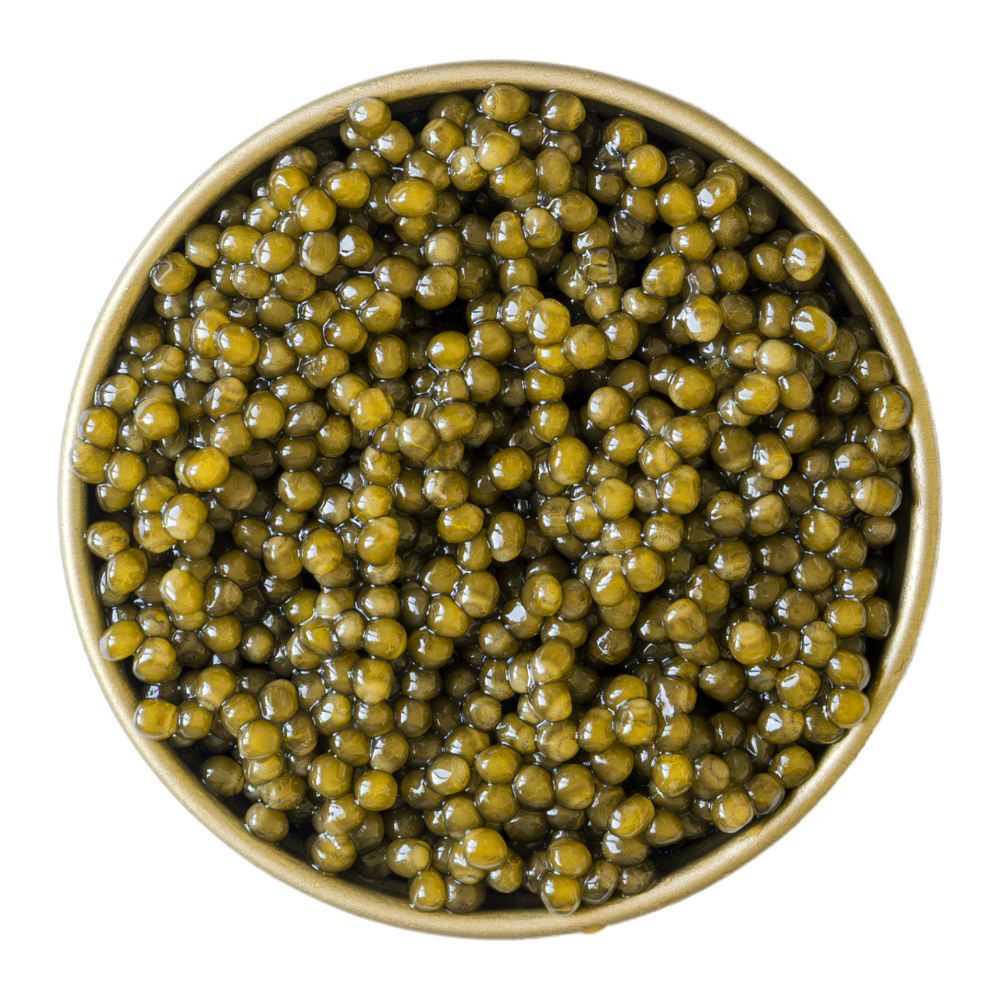
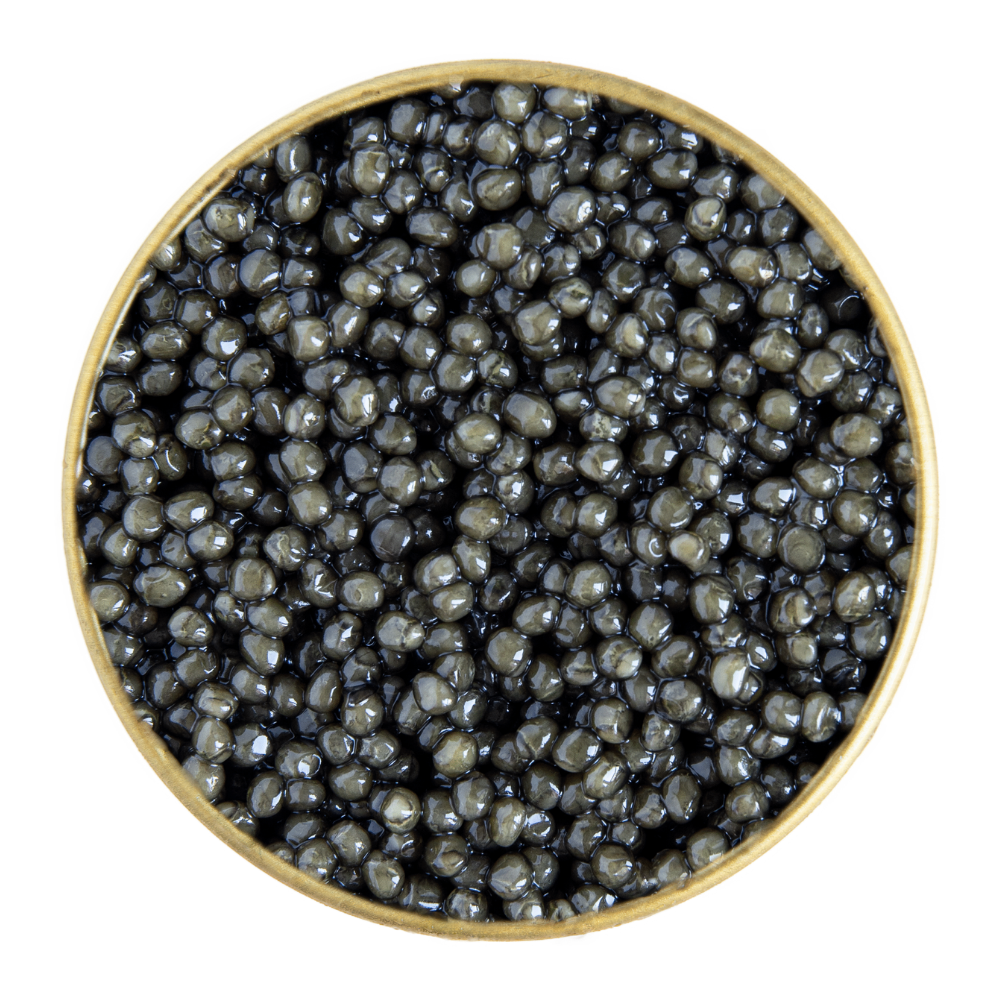
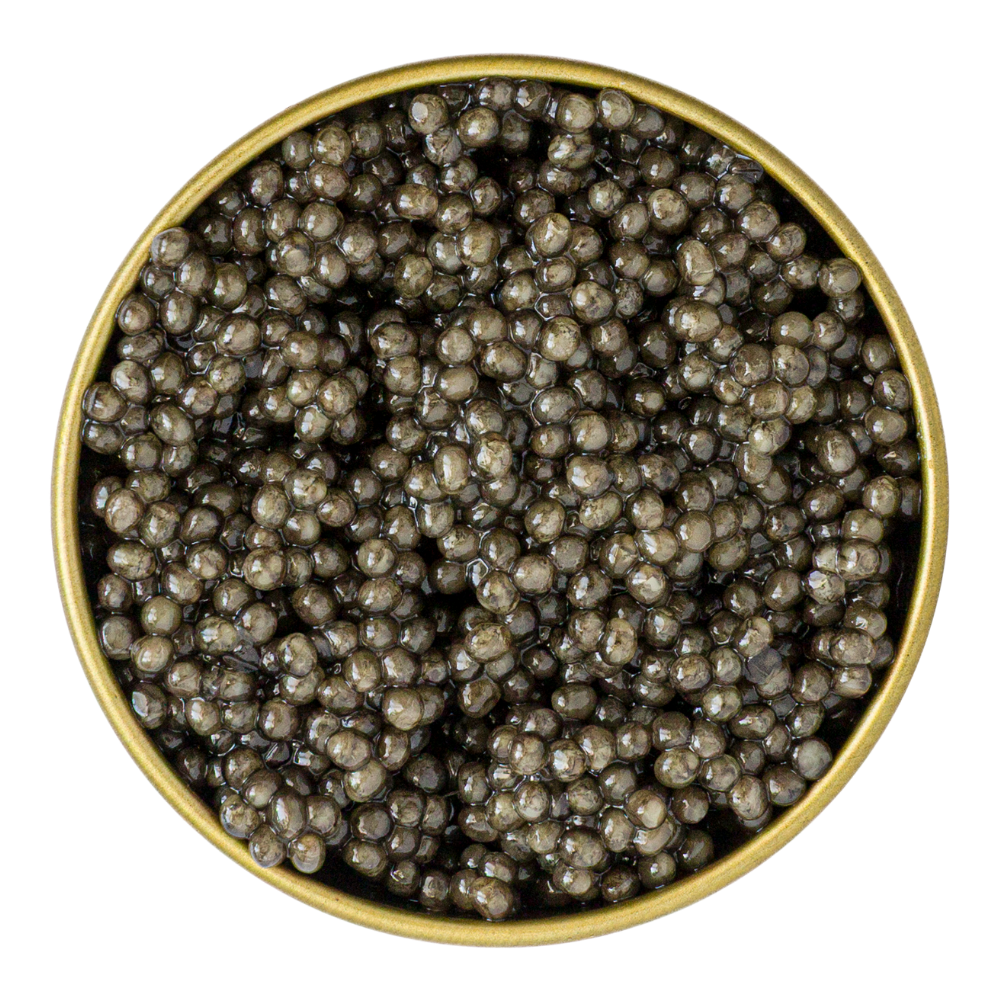
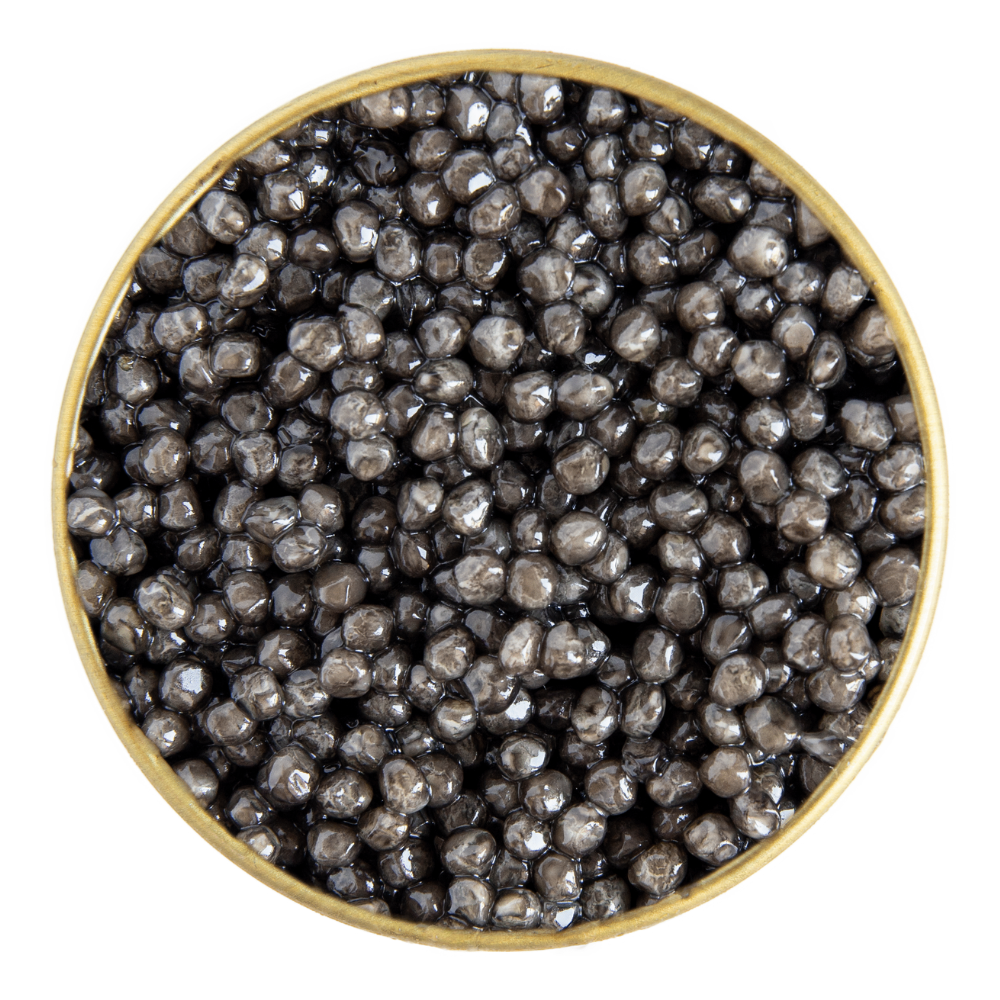
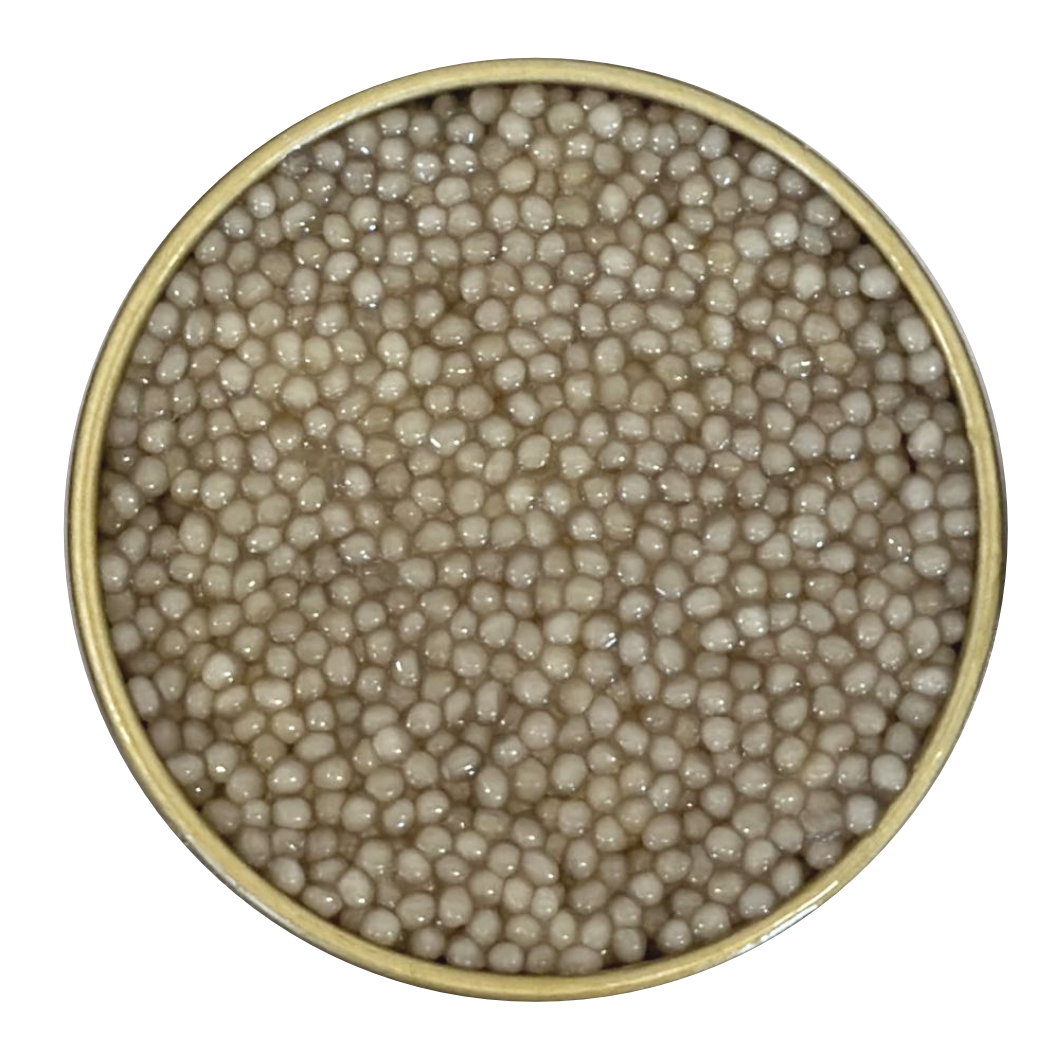
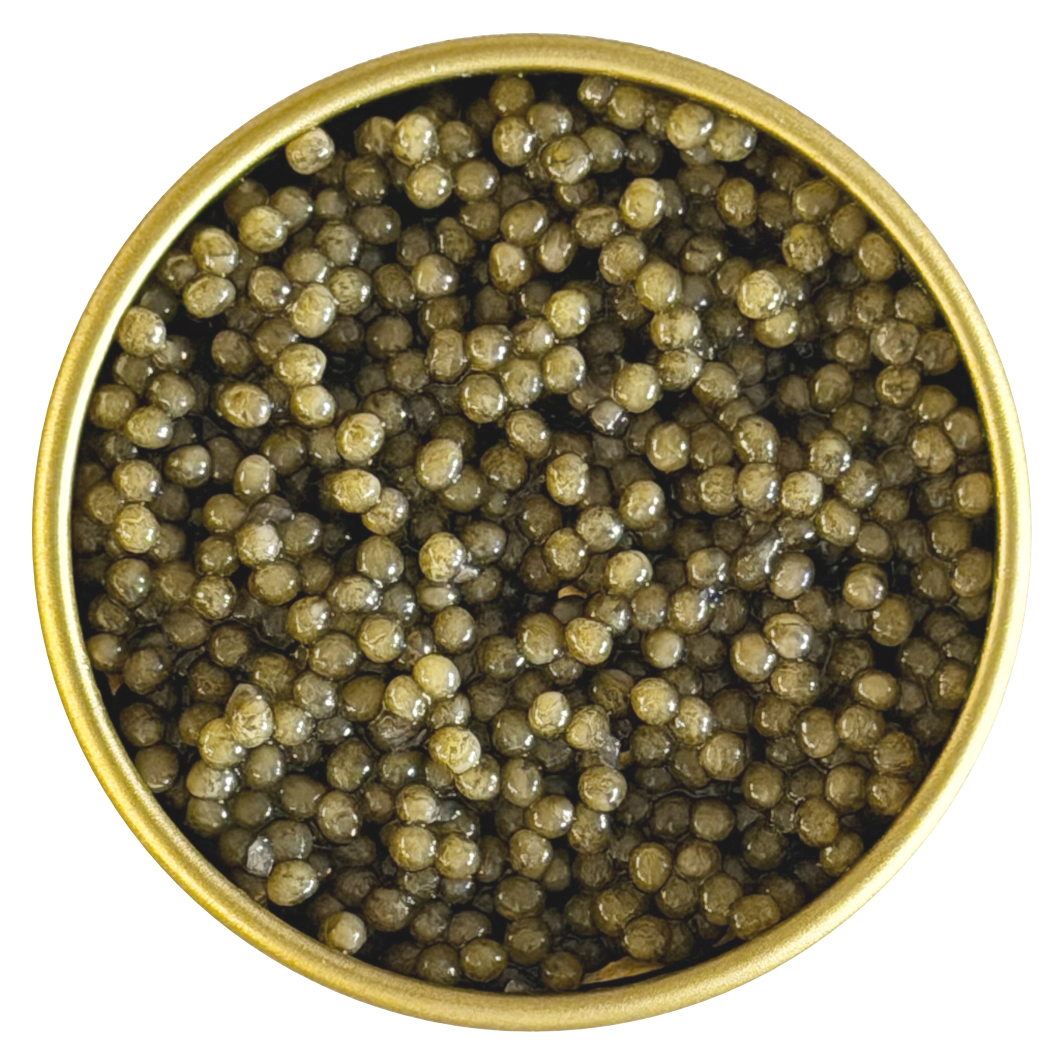
For a first look at the product, a good choice is Baerii Gold Æmillius Caviar – caviar from Siberian sturgeon with a distinctive oily flavour and a coarse grain. Another well-balanced option is Russian Sturgeon Premium, which offers a more complex and distinctive flavour profile.
This choice is based on taste and quality, rather than on any difference in medicinal value. When assessing the nutritional content, the information for the specific product should be taken into account.
How can we incorporate caviar into a balanced diet?
The most sensible approach is to serve black caviar in a small portion as part of a balanced meal. A good example is a soft-boiled egg with 10–15 grams of caviar, accompanied by a fresh salad with red peppers, tomatoes or lemon juice.
Vitamin C aids the absorption of non-haem iron from plant-based foods. That is why combining caviar with fresh vegetables can make the whole meal more balanced.
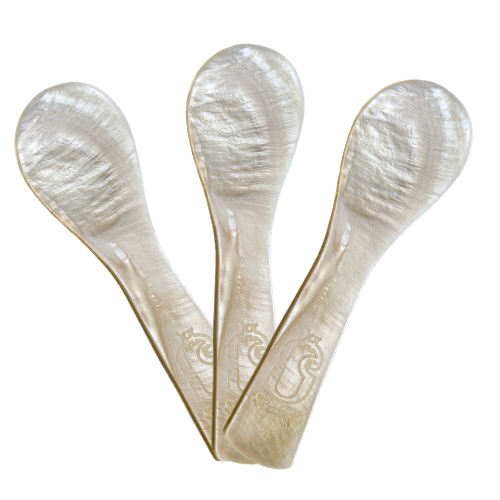
The caviar can also be served on a small potato base or on classic blinis. The full range can be viewed in the Æmillius catalogue selection of black caviar, and the following is suitable for serving it correctly mother-of-pearl spoon, which does not affect the delicate flavour.
The product should not be subjected to prolonged heat treatment. If added to a hot dish, this should be done immediately before serving. To preserve its flavour, texture and quality, the following guidelines must be observed storage and serving instructions and the instructions on the specific packaging.
When should we be careful?
Black caviar is a salted product and may contain significant amounts of sodium. People with high blood pressure, kidney disease, heart failure or who are on a salt-restricted diet should discuss the appropriate portion size with a healthcare professional.
This product is not suitable for people with a fish allergy. Pregnant women, young children and people with a weakened immune system should choose a product that has been reliably manufactured and properly stored, and should follow their individual medical advice.
Can caviar replace iron or B12 supplements?
No. If a deficiency is confirmed by laboratory tests, the doctor may prescribe iron, vitamin B12 or other treatment, depending on the cause and severity of the condition. Caviar may supplement the diet, but it should not be a reason to delay, alter or discontinue treatment.
Taking iron supplements on your own is not a good idea either. Too much iron can be harmful, and the symptoms of anaemia can have various causes. That is why the first step is to get tested, rather than making assumptions.
Conclusion
Black caviar can be a beneficial part of a diet for anaemia, as it provides iron, a significant amount of vitamin B12, high-quality protein and other valuable nutrients in a small portion.
Its advantage lies in its nutritional density, but its limitations must be clearly understood. It does not treat anaemia, does not address blood loss or malabsorption, and is not a substitute for prescribed supplements.
Once the cause of the anaemia has been identified and the person is following medical advice, high-quality black caviar can be a delicious and nutritious addition to a varied diet. The most accurate conclusion is that caviar supports nutrition in cases of anaemia, but works best as part of a comprehensive, well-planned approach.
Medical clarification
This material is for information purposes only and does not constitute medical advice, a diagnosis or a personalised diet plan. If you experience fatigue, paleness, shortness of breath, palpitations, dizziness or abnormal blood test results, please seek medical advice.
Do not start or stop taking iron, vitamin B12 or other supplements without medical advice.
Sources used
- World Health Organisation – Anaemia
- National Institutes of Health, Office of Dietary Supplements – Iron
- National Institutes of Health, Office of Dietary Supplements – Vitamin B12
- National Institutes of Health, Office of Dietary Supplements – Folate
- USDA FoodData Central
- Æmillius Caviar – Baerii Gold
- Æmillius Caviar – storage and serving instructions