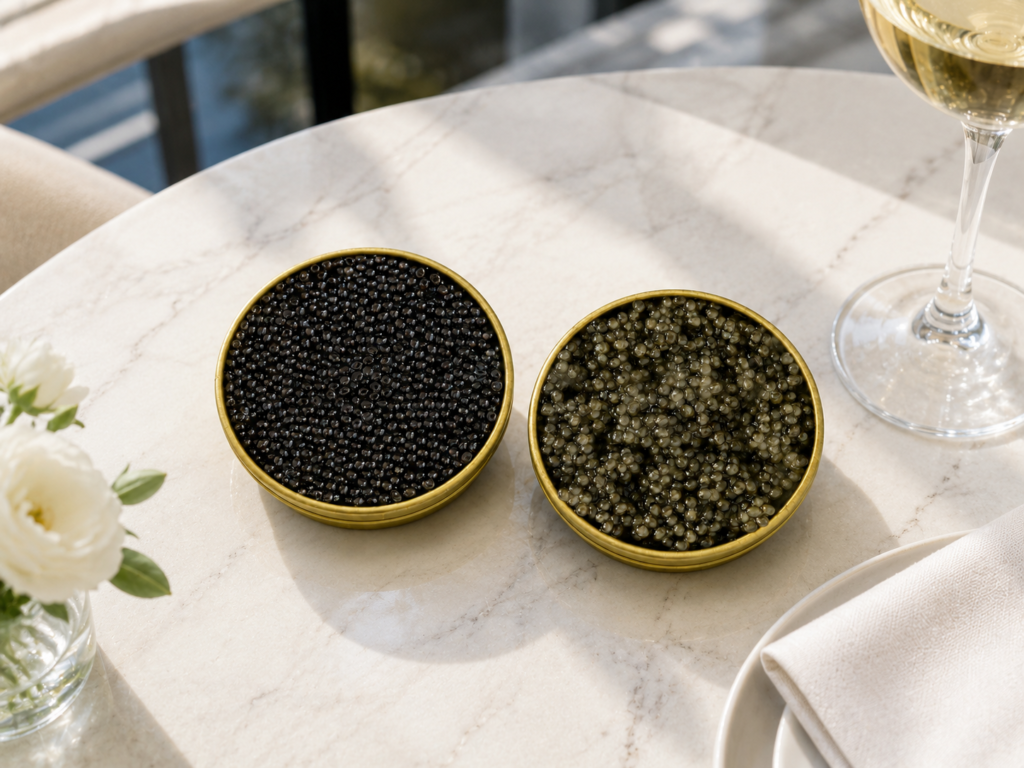

The short answer is: black caviar It is harvested from female sturgeon reared on a farm for between 4 and 18 years or more, depending on the species. When an ultrasound scan reveals mature eggs, they are extracted, and the pearls are sieved, washed, lightly salted, sorted and sealed in a box bearing a CITES code, which is transported exclusively under refrigerated conditions. Below, you will see how black caviar is produced, step by step, and how each stage affects the flavour.
A tin of caviar opens in a second. Behind that second lie years of work. The process explains both the flavour and the price.
Where does black caviar come from these days?
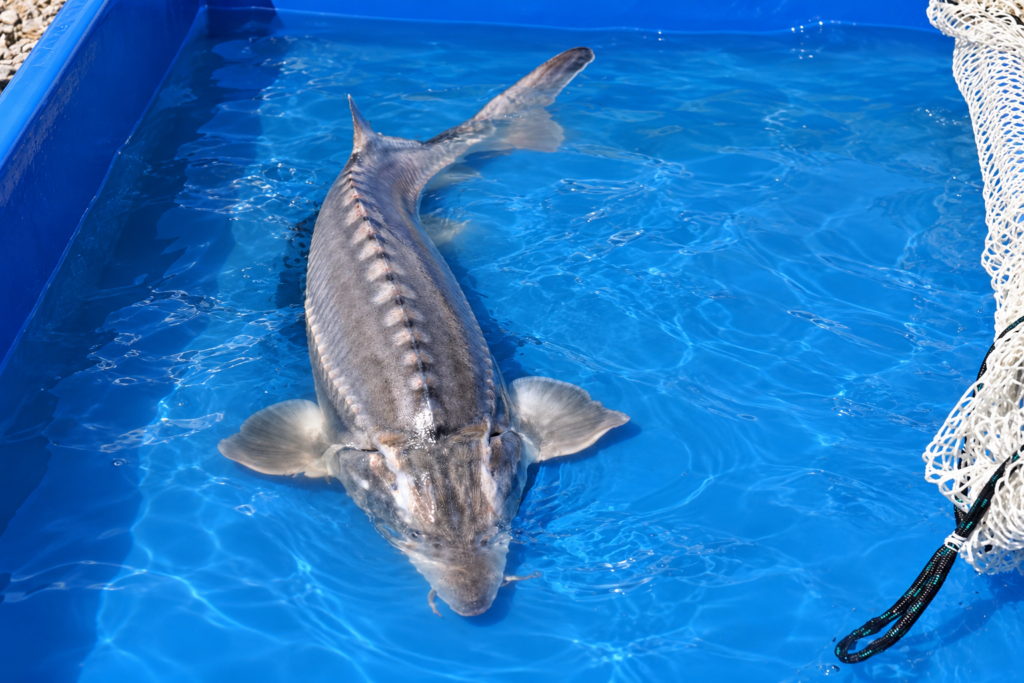
Almost all the black caviar on the market today comes from farmed sturgeon. According to the European Commission’s market observatory, EUMOFA, the global sturgeon catch in 2018 was just 222 tonnes, compared with 31,800 tonnes in 1977, whilst around 115,000 tonnes of sturgeon were farmed in the same year, 2018.
In Bulgaria, wild sturgeon fishing in the Danube is prohibited, and legal caviar comes exclusively from certified aquaculture. The country is one of Europe’s leading producers and exporters of black caviar, and according to the EUMOFA 95% analysis, 95% of Bulgarian exports consists of caviar from Russian sturgeon (Acipenser gueldenstaedtii).
In this article, we explain which species of sturgeon produce caviar What sort of fish is black caviar made from?.
How many years does it take to rear a sturgeon before it produces caviar?
Sturgeon are reared for between 4 and 18 years or more, depending on the species. Throughout this time, the farm feeds and monitors the fish without knowing for certain what the quality of their caviar will be.
At what age do the different species reach maturity on a farm, according to EUMOFA data:
- Chiga (Acipenser ruthenus): 4 to 5 years.
- Siberian sturgeon (Acipenser baerii): 6 to 8 years.
- Pestruha (Acipenser stellatus): 8 to 10 years.
- Russian sturgeon (Acipenser gueldenstaedtii): 9 to 11 years old.
- White sturgeon (Acipenser transmontanus): about 10 years.
- Beluga, or moruna (Huso huso): 16 to 18 years old.
In the wild, beluga whales do not reach sexual maturity until they are between 19 and 22 years old, and on the farm they are the species that is most expensive to rear.
How does the farm know when a sturgeon is ready for harvesting?
The farm determines that the sturgeon is ready for harvesting using ultrasound and, if necessary, by taking a small sample of the eggs. The first check is to determine the sex: according to EUMOFA data, this is determined by ultrasound on average after the third year, after which the male fish are sent for meat, whilst the females continue to grow.
After that, the females are examined regularly. An ultrasound scan shows the development of the ovary, whilst a small sample (biopsy) allows the so-called polarisation index to be measured: how close the nucleus has moved to the edge of the egg. In the case of the white sturgeon, optimal yield and quality are achieved at a value of between 0.10 and 0.12, according to an article by the Global Seafood Alliance.
Timing is crucial. If the roe is harvested too early, the eggs are not yet mature. If it is harvested too late, ovulation begins: the eggs are released from the ovary and require a different processing method. And fish do not mature at the same time: according to the Institute of Food Technologists (IFT), at seven years of age, typically only 10 to 20% of them are ready.
Why are sturgeons starved before they are caught?
Sturgeons are starved prior to harvesting to ensure the caviar has a pure flavour. Females that are nearing spawning are moved to separate tanks containing clean, cooler water and are no longer fed. According to EUMOFA data, this period lasts between 4 and 6 weeks.
In this way, the farm mimics the sturgeon’s natural rhythm prior to spawning and protects the eggs from acquiring an undesirable taste.
How is black caviar produced using the traditional method?
Under the traditional method, the fish is stunned, killed and the ovary is removed whole. According to EUMOFA data, the industry prefers this method because the alternatives are more labour-intensive and time-consuming, and pose a risk to quality.
The World Organisation for Animal Health (WOAH) and the European Food Safety Authority (EFSA) recommend percussive or electrical stunning, but a scientific review published in *Frontiers in Animal Science* in 2024 notes that there is still no established method for verifying when a sturgeon is unconscious.
How much caviar does a sturgeon produce?
According to the IFT, a mature sturgeon can produce caviar equivalent to between 15 and 18% of its body weight. In other words, one kilogramme of caviar requires between 5.6 and 6.7 kg of fish, reared over many years. Using the traditional method, each female produces caviar only once.
Is it possible to harvest caviar without killing the fish?
Yes, caviar can be harvested without killing the fish, using one of three methods: a caesarean section involving an incision of 8 to 14 cm, which is then sutured; a minimally invasive procedure involving an incision of 1 to 8 cm; and massage, in which the eggs are squeezed out without making an incision.
In all three cases, the fish is usually administered a hormone that triggers ovulation. The Codex Alimentarius, the FAO and WHO’s compendium of international food standards, requires such a product to be labelled „caviar from ovulated eggs“. These eggs undergo further processing to remove their sticky coating and harden the shell.
The advantage of these methods is that a single fish can produce caviar more than once. According to EUMOFA, however, the hormones alter the texture and flavour of the roe, and following a caesarean section, the fish is vulnerable to infection. The same scientific review cites mortality rates following caesarean section which, even in the best-case scenario, are 10% for beluga and 15% for Russian sturgeon, and concludes that non-lethal methods should not be presented as an ethical or humane alternative.
For the buyer, there is one practical consideration: according to the Codex, the label must clearly indicate whether the caviar comes from fertilised eggs.
How are the eggs released from the ovary?
The pearls are separated from the ovary by hand, using a sieve. The ovary is cut into pieces and, a handful at a time, is rubbed carefully against the sieve: the holes allow the pearls to pass through whilst trapping the surrounding tissue.
The work is carried out slowly and at a low temperature. A pearl is a thin shell filled with liquid, and any excessive force will cause it to burst. After sifting, the burst and discoloured pearls, along with any impurities, are removed with tweezers.
Next, wash the pearls: rinse them several times in cold, clean water to remove any remaining fabric, then drain them in a fine sieve.
What does ‘lightly salted’ mean, and how much salt is there in black caviar?
„Malosol“ is a Russian word meaning ‘with a little salt’. According to the Codex Alimentarius, sturgeon caviar contains between 3 and 5 grams of salt per 100 grams of finished product, whilst, according to EUMOFA data, lightly salted caviar has a shorter shelf life but is also more expensive.
Salting is done by hand: the salt is measured out according to the quantity of roe, the mixture is stirred carefully, and the caviar is left to stand in a cool place until it has absorbed the salt; according to the IFT, this takes from a few minutes to several hours.
More salt extends the shelf life at the expense of flavour. According to data from the University of Florida, heavily salted caviar contains between 10 and 12% salt.
Some manufacturers also add a small amount of preservative, such as borax (E285), to extend the shelf life, according to EUMOFA. If present, it is listed in the ingredients. In our frequently asked questions The light-salting method is described as salting with a special salt up to 3%. Where the product page lists the ingredients, there are three: sturgeon caviar, salt and the preservative E285.
How is caviar graded by quality?
Caviar is graded according to the size, colour, lustre and firmness of the pearls; whether they are uniform and separate from one another; and their aroma, flavour and maturity. According to EUMOFA, it is precisely these factors that determine the grade, and with it, the price.
Codex does not define quality grades. Each producer uses its own scale, and the decision is made by the master, who tastes each batch. This is why two caviar products of the same variety can differ noticeably, as we explain in the article Is all black caviar the same?.
How is caviar packaged and matured?
The caviar is packaged in metal tins with an internal coating or in glass containers, as stipulated by the Codex. The tin is filled to the brim and the lid is pressed down with a weight to expel the air, whilst some manufacturers seal the small tins under vacuum.
After sealing, the caviar is often left to mature in a cool place. According to the IFT, the typical ageing period is around three months, during which the flavour develops fully. Time is flavour. The Codex allows caviar to be repackaged at a later date, but without mixing different species or batches.
What does the CITES code on the box say?
The CITES code describes the origin of the caviar in six fields. Since 1998, international trade in all sturgeon has been regulated by CITES, and in the EU, every packet of caviar, regardless of size, must bear a single-use label that seals the box or indicates that it has been opened.
- Three-letter species code: BAE for Siberian sturgeon, GUE for Russian sturgeon, HUS for beluga.
- Source code: W for wild-caught, C for farmed.
- Country of origin, e.g. BG.
- Year of harvest.
- Registration code of the processing plant.
- Batch number.
Here is what the code on the product page of Baerii Gold Æmillius Caviar: BAE/C/BG/2026/204110768/L001. BAE stands for Siberian sturgeon, C indicates farm-raised, BG stands for Bulgaria as the country of origin, and the year is followed by the registration code and the batch number. If the caviar has been repackaged, the label shows the year of repackaging and the code of the repackaging establishment.
The origin of each Æmillius caviar is stated on its product page. The company behind Æmillius Caviar It is the first Bulgarian company to hold its own CITES certificate for exports outside the EU. We explain how to check the label before you buy in this article How to tell the difference between genuine and fake black caviar.
At what temperature is the caviar transported to you?
The caviar is transported to you at a temperature of 2 to 4 °C, with temperature control, in a cool bag or a single-use insulated box. We deliver throughout Bulgaria; further details can be found in our terms of delivery.
The cold chain must remain unbroken from the farm right to your door. Any break in the chain irreversibly compromises the firmness of the caviar and the purity of its flavour. Therefore, upon receipt, place the caviar straight into the fridge. At home, keep it at around −2 °C, in the coldest part of the fridge, without freezing it. Once opened, the caviar will keep for 2 to 3 days if kept tightly sealed. You can find out more about this in the article how to store black caviar at home.
How does the process affect the taste of the caviar?
This process influences the flavour at every stage. The species and age determine the size and character of the pearls; polishing ensures purity; sifting ensures integrity; salt ensures balance; and the cold chain preserves all of this until it reaches you.
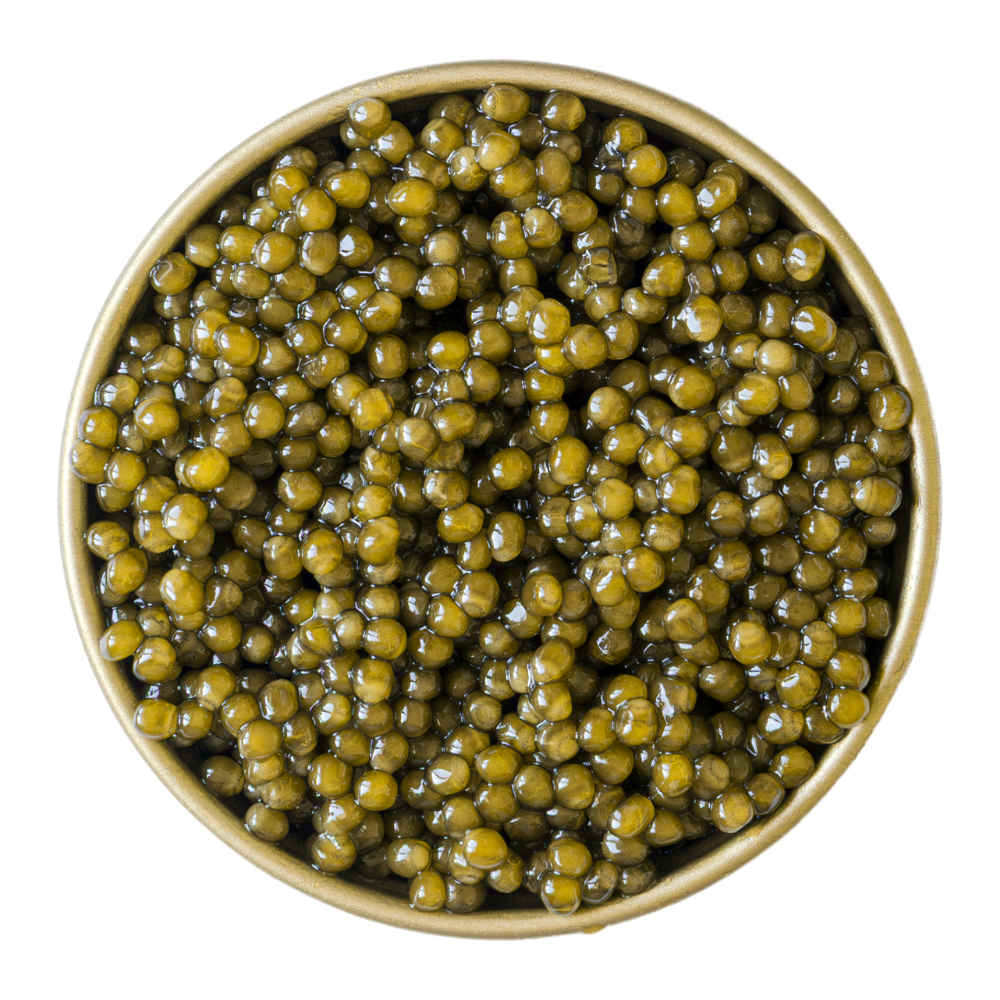
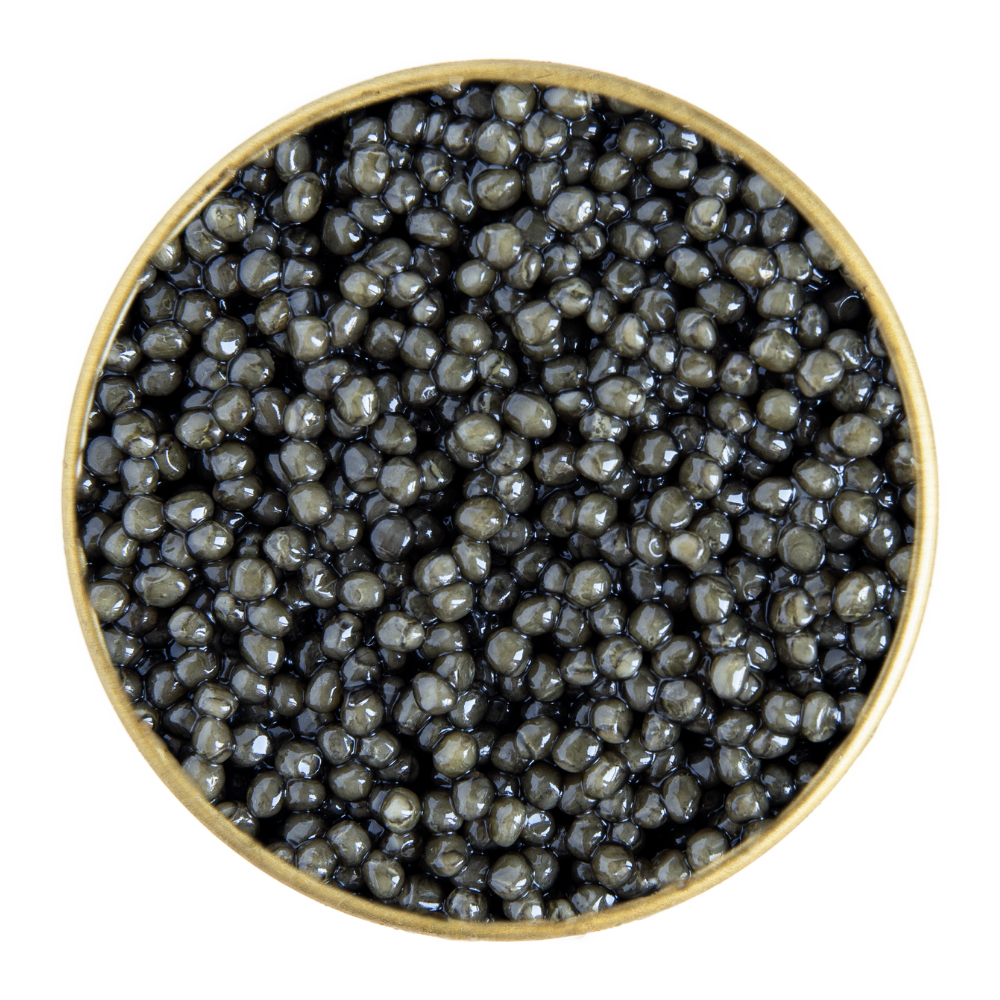
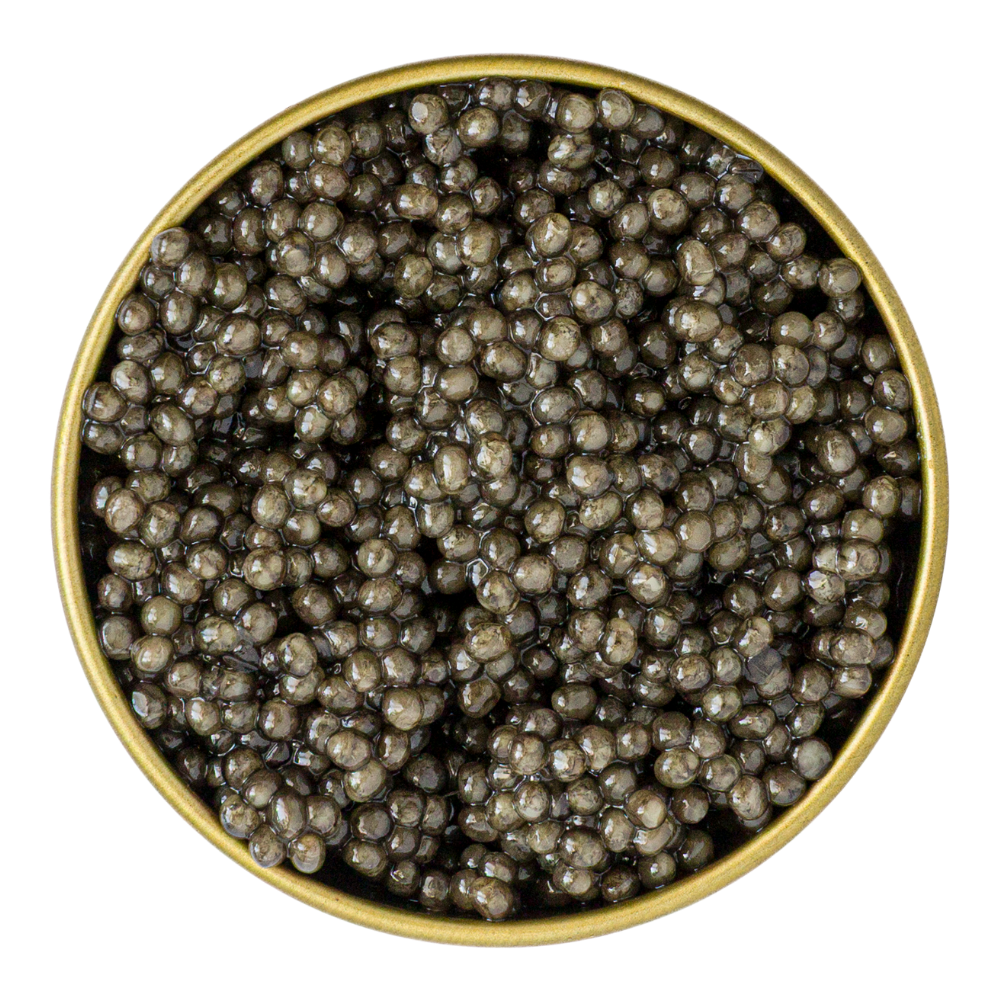
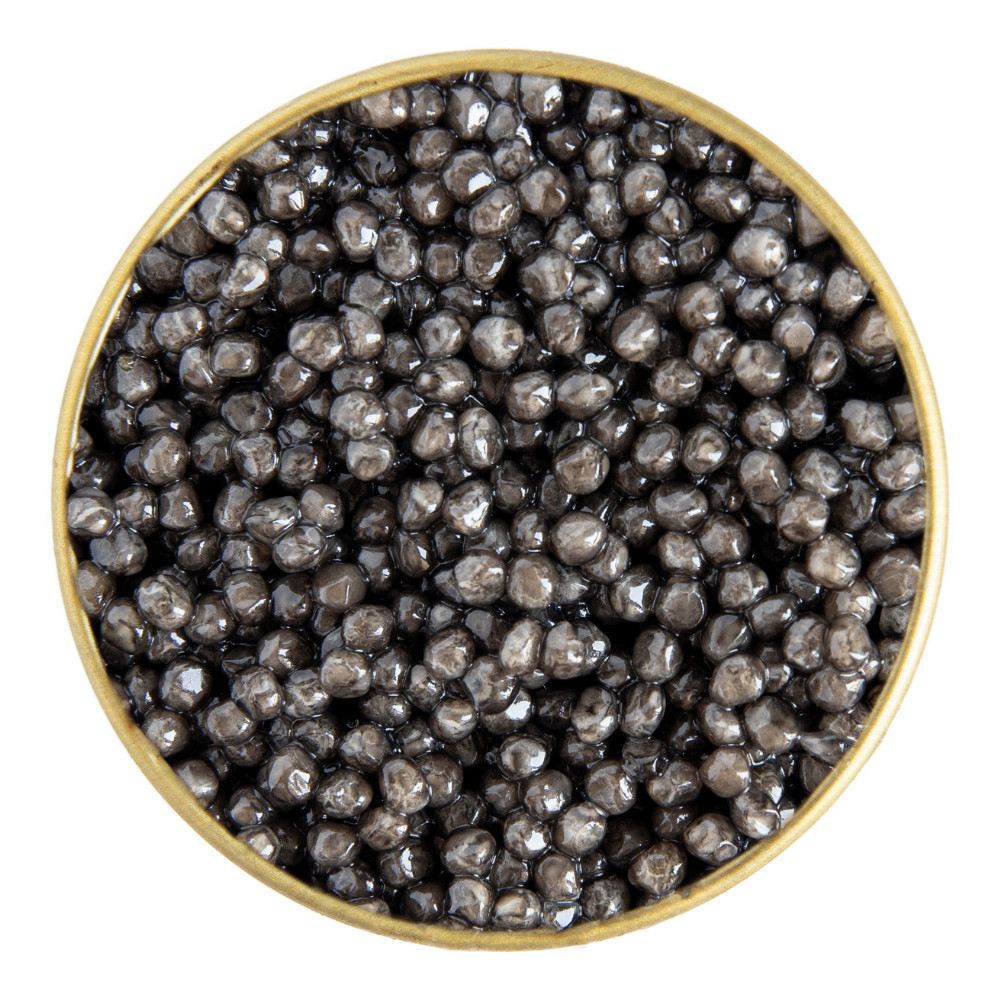
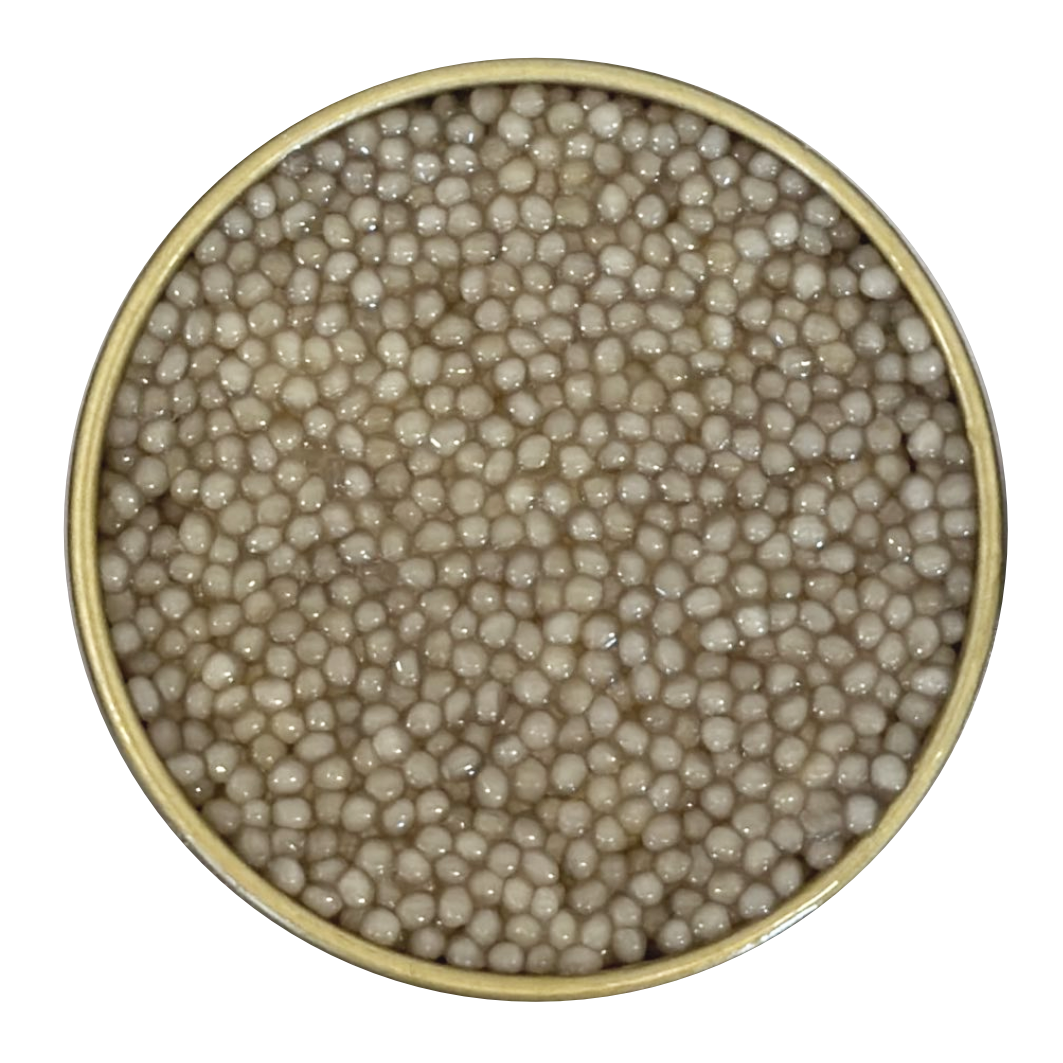
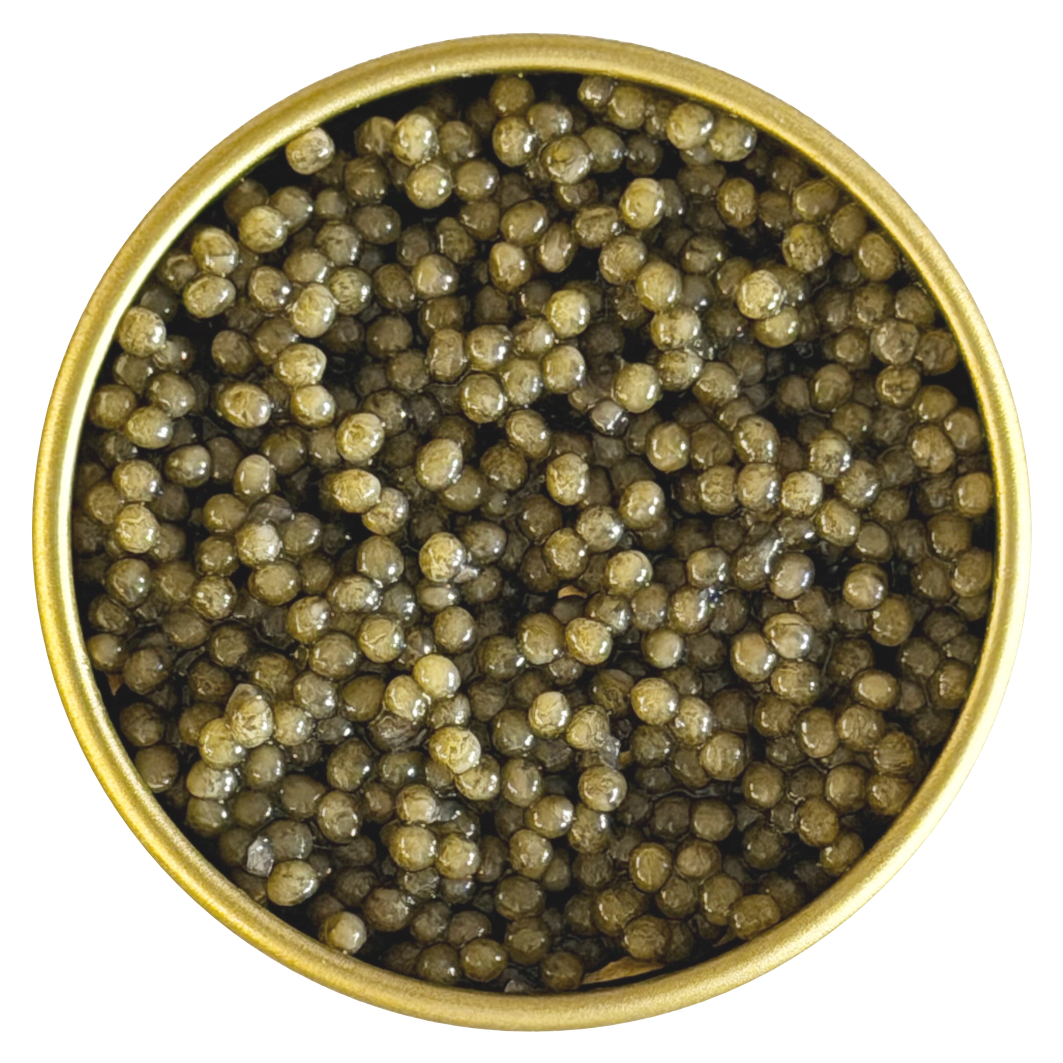
That is why different varieties taste different, even when prepared in the same way. Baerii Gold is mild and creamy, making it ideal for a first taste of caviar. Russian sturgeon is characterised by a scent of the open sea. And Moruna Æmillius Caviar comes from the king of the sturgeons, Huso huso, and each pearl bears within it the years of waiting.
You will find a detailed breakdown by type in the article on the flavour profile of black caviar. And if you have a question about a specific box, our experts will answer it free of charge.
What should we bear in mind about the harvesting and processing of black caviar?
- Almost all black caviar today comes from farms; wild fishing in the Danube is banned.
- Sturgeon are reared for between 4 and 18 years or more, depending on the species, before they produce caviar.
- An ultrasound scan determines sex and maturity, whilst weeks without food keep the flavour pure.
- The pearls are sifted by hand, washed in cold water and lightly salted: „malosol“ means ‘with a little salt’.
- Caviar obtained without killing the fish is usually derived from ovulated eggs and, according to the Codex, must be labelled separately.
- The CITES code tracks each box back to the species, origin, company and consignment.
- The caviar is transported at 2 to 4 °C; at home, it should be kept at around −2 °C and, once opened, will keep for 2 to 3 days.
The next time you open a tin, you’ll know what you’re holding: years of hard work in just a few mouthfuls. Will you savour them slowly?
Sources
- EUMOFA, European Commission – The caviar market, 2021
- Codex Alimentarius (FAO/WHO) – Standard for Sturgeon Caviar, CXS 291-2010
- TRAFFIC – Universal Caviar Labelling Requirements
- Institute of Food Technologists – How Caviar Is Processed, 2020
- University of Florida IFAS – Technically Speaking, What Is Sturgeon Caviar?
- Global Seafood Alliance – Ultrasound helps determine the stage of sturgeons for caviar production, 2010
- Frontiers in Animal Science – Lambert, Emam: Dying for a canapé, 2024